



Drop sets (and forced reps)
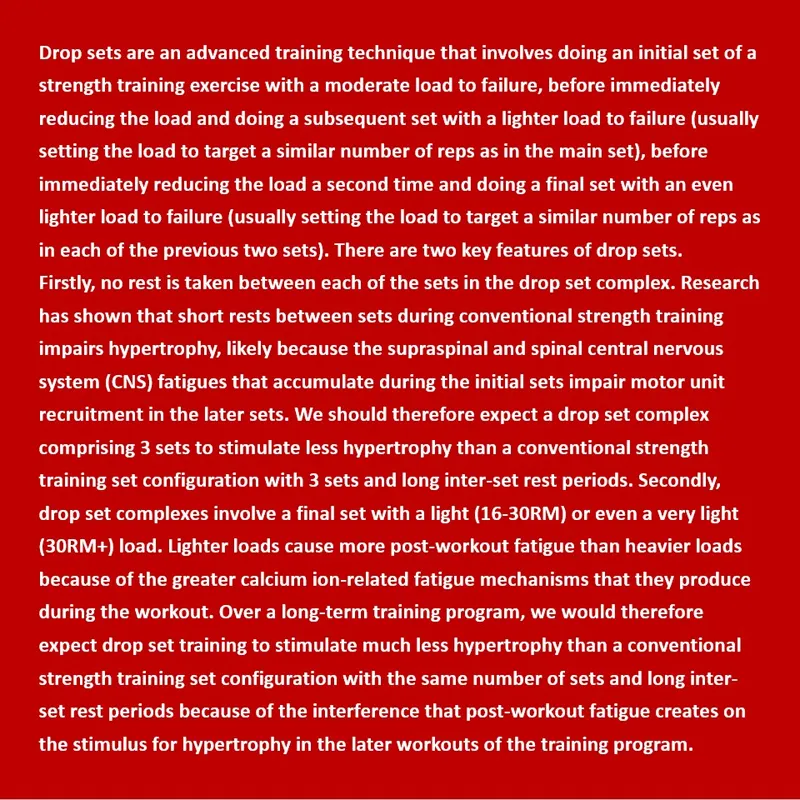
Bodybuilders often make use of advanced training techniques during their strength training programs. Drop sets are an advanced training technique that involves doing an initial set of a strength training exercise with a moderate load to failure, before immediately reducing the load and doing a subsequent set with a lighter load to failure (usually setting the load to target a similar number of reps as in the main set), before immediately reducing the load a second time and doing a final set with an even lighter load to failure (usually setting the load to target a similar number of reps as in the previous two sets). This method of training produces a lot of fatigue. But how does it affect hypertrophy?
.
#1. Peri-workout fatigue
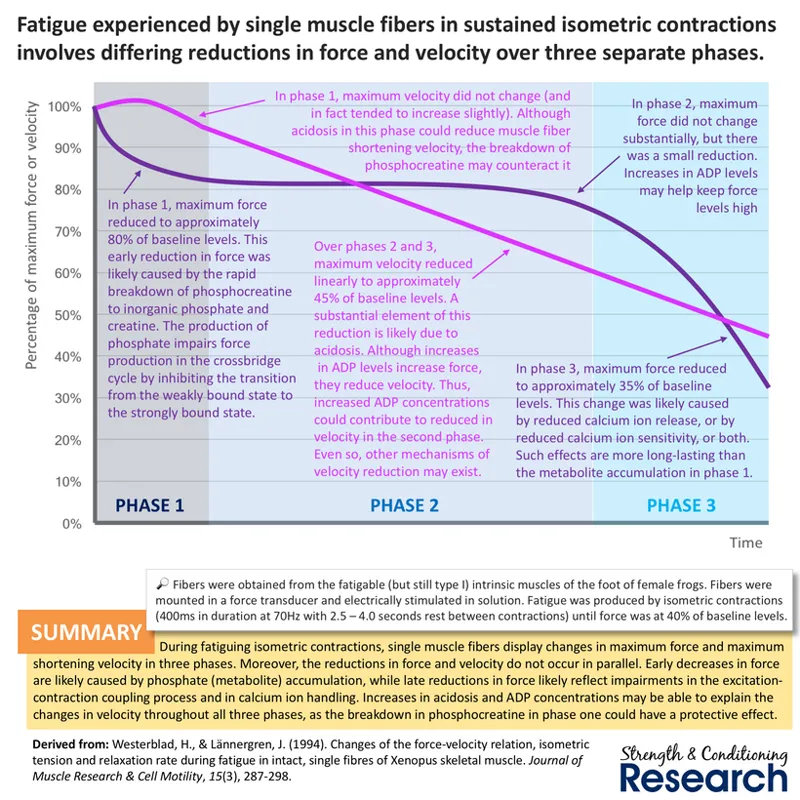
In any strength training set, multiple different fatigue mechanisms occur. These fatigue mechanisms are always present, albeit to greater or lesser degrees depending on the nature of the training.
.
When overall fatigue levels are relatively low, most of the fatigue is metabolite-related. As fatigue increases, the two types of central nervous system (CNS) fatigue and calcium ion-related fatigue both increase their contributions. Given that drop sets (and forced reps, which are basically exactly the same thing) involve continuing sets after the point where failure is reached, they necessarily involve more CNS fatigues and more calcium ion-related fatigue.
.
#2. Post-workout fatigue
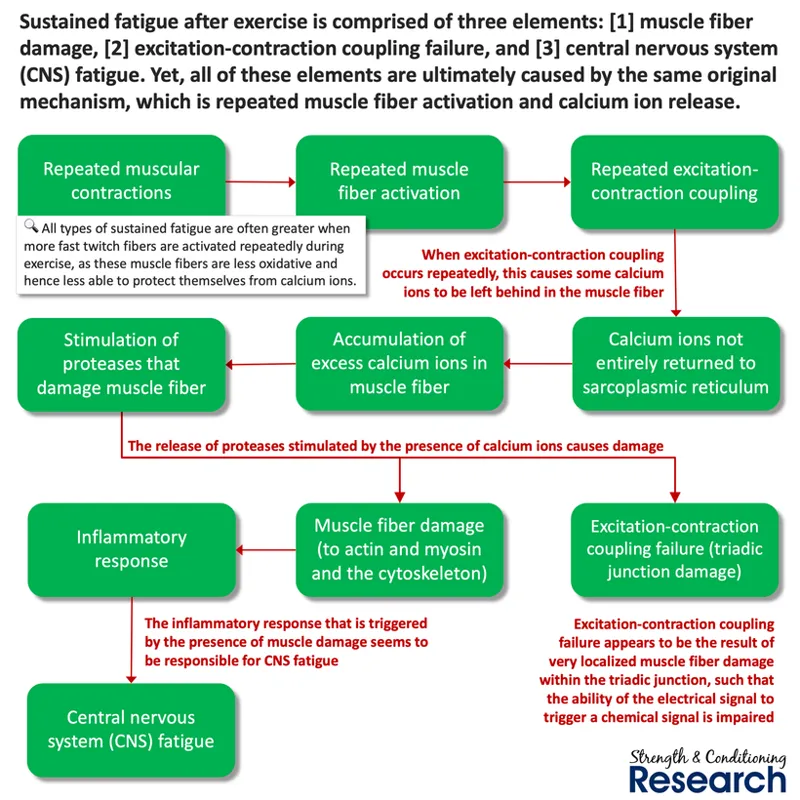
When calcium ion-related fatigue mechanisms are greater during the workout, this obviously causes more post-workout fatigue (and probably also greater muscle soreness). Importantly, post-workout fatigue mechanisms can interfere with our ability to stimulate hypertrophy both by reducing the level of muscle fiber mechanical tension and also by reducing the level of motor unit recruitment.
.
#2. Hypertrophy
Drop sets involve a series of three or more sets (albeit with different loads) with very short rest periods between sets. Research has demonstrated that taking shorter rests between sets leads to reduced hypertrophy in comparison with taking longer rests (read more).
.
Currently, the available research at the present time suggests that any superior hypertrophic effects of drop sets in comparison with conventional strength training are either minor or non-existent. In reality, when counting each set within the drop set complex as a single set, we would actually expect worse results to be produced by the drop set training technique.
.
Nevertheless, there are studies that have reported greater hypertrophy after training with drop set techniques in comparison with conventional strength training methods.
.
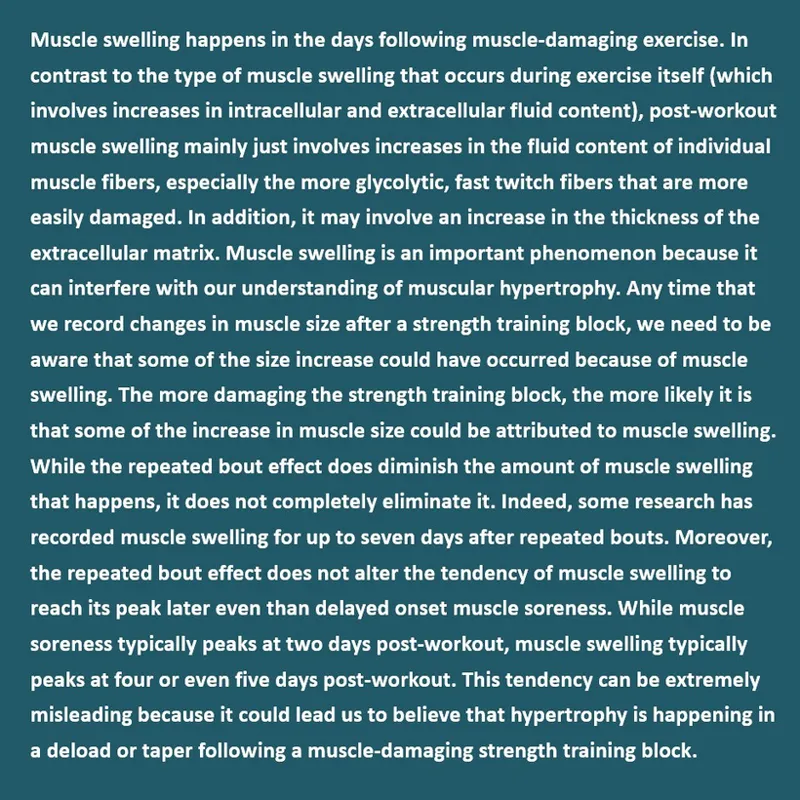
One factor that could interfere with the results is the production of muscle swelling. Muscle swelling tends to be greater when post-workout fatigue is greater and is currently indistinguishable from the actual muscle hypertrophy (read more).
.
Conclusions
Drop sets are an advanced training technique that involves doing an initial set of a strength training exercise with a moderate load to failure, before immediately reducing the load and doing a subsequent set with a lighter load to failure (usually setting the load to target a similar number of reps as in the main set), before immediately reducing the load a second time and doing a final set with an even lighter load to failure (usually setting the load to target a similar number of reps as in each of the previous two sets). There are two important features of drop sets. Firstly, no rest is taken between each of the individual sets within the drop set complex. Research has shown that short rests between sets during normal strength training impairs hypertrophy, likely because the supraspinal and spinal central nervous system (CNS) fatigues that accumulate during the initial sets impair motor unit recruitment in the later sets. We should therefore expect a drop set complex comprising three individual sets to stimulate less hypertrophy than a conventional strength training set configuration with three sets and long inter-set rest periods. Secondly, drop set complexes involve a final set with a light (16-30RM) or even a very light (30RM+) load. Lighter loads cause much more post-workout fatigue than heavier loads because of the greater calcium ion-related fatigue mechanisms that they produce during the workout. Over a long-term training program, we would therefore expect drop set training to stimulate much less hypertrophy than a conventional strength training set configuration with the same number of sets and long inter-set rest periods because of the interference that post-workout fatigue creates on the stimulus for hypertrophy in the later workouts of the training program.


Comments (3)
What magnitude or increased fatigue are we talking here? For example, Relative to a 3 times a week Program, would substituting 1 normal set and 2 drops sets in place of 3 normal straight sets produce enough fatigue to be enough to "bleed" over into the next workout?
Chris, nowadays people start to use more and more partial or half reps at the end of the set after they reach muscular failure. For example, they do lat pulldowns and after they cannot achieve full ROM (failure) they start doing partial reps. Is that optimal way of training? I remember you mentioned once that partial reps after reaching failure are the same as forced reps or drop sets and they are not as optimal as normal sets with normal rest. Could you, please, explain this? Maybe partial reps could be useful for regional hypertrophy? As if we reach failure at the half portion of the set, we can extend the set by using partials and so hypertrophy other parts of the muscle and reach failure at all rages of an exercise? Maybe it is hard to understand what I am asking, so if needed, I may extend my question further. Thanks, Chris!
Partial or half reps after muscular failure are just the same as drop sets. In drop sets, we make the subsequent reps easier by reducing weight, whereas with partial reps we make the subsequent reps easier by altering the external leverages. So I think that the same principles apply to partials after the end of a set as for drop sets.