
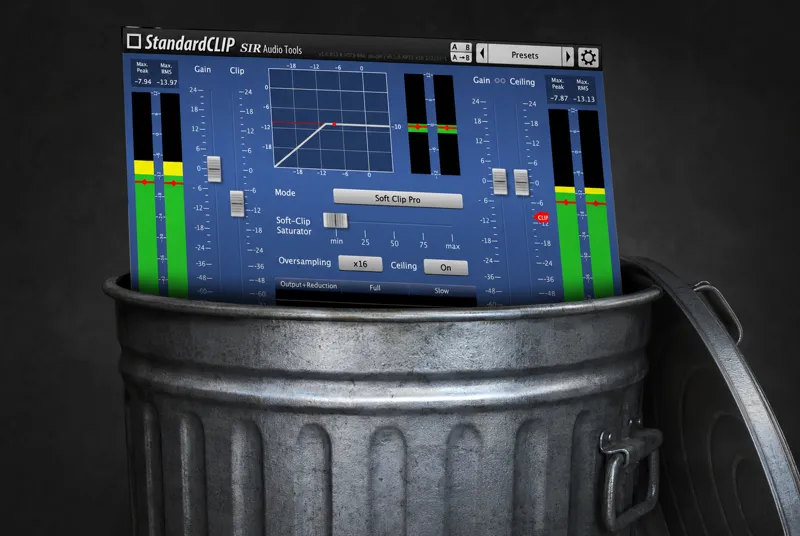

Clipping your master? Clipper convo pt. 1
Clippers are getting more and more popular in audio, and even in socials I've seen posts where advice is thrown out telling people to clip their masters for a louder output.
Let's go to the very grassroots level in signal processing. Let's get the facts straight.
📺 In similar context, do not miss my earlier videos covering the same sector:
• Master limiter lesson,
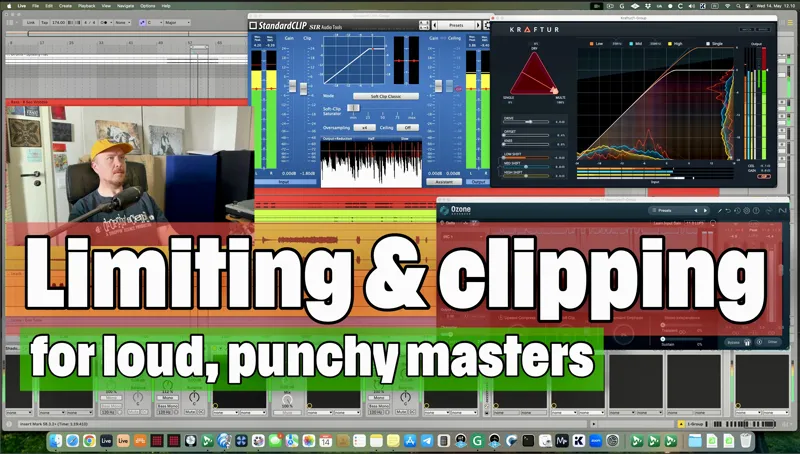
• Limiting and clipping for loud and punchy masters,
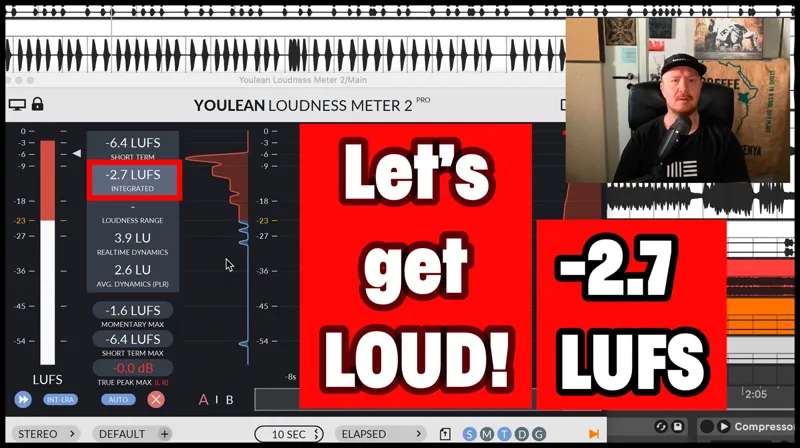
• If you want to get loud! and
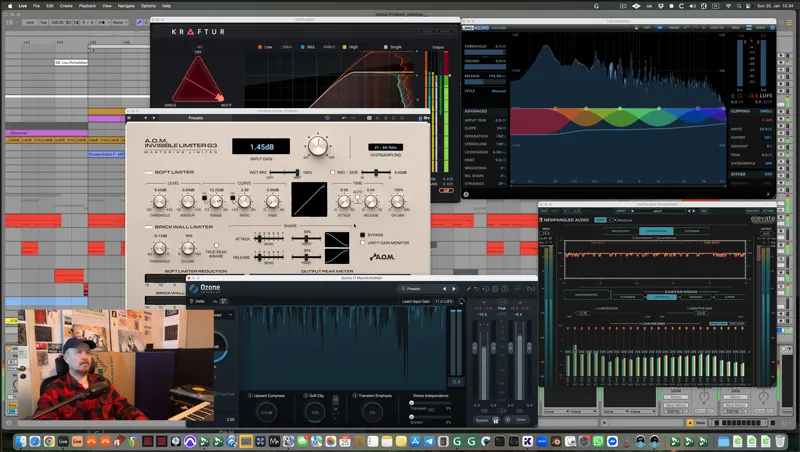
• Why should you limit your master. 📼
Let Uncle Fanu give you this simple lesson on whether clipping your masters makes sense.
Not just an opinion: a fact you will see before your own very eyes how limiter and clipper compare. That's all I care about: facts.
We'll make sense of what a clipper is good for and what not.
Part 2 coming soon too - let's do this in easily chewable steps.
📝 TAKEAWAY:
Clipping your master might make it louder (that's what you will get with good master limiters too), but it also creates intermodulation distortion. What sounds “punchy” at first can quickly turn harsh, flat, and fatiguing over time.
If we can't deal with a simple sine all clean, there's no way a more complex signal would do any better.
Slamming mixes into hard clipping often makes it harsh, and I do hear a lot of that in modern music. A good quality master limiter is well worth the price.

Comments (10)
Great advice! - standard clip always sounded to aggressive to my ears on alot of things especially masters. But I see people still driving it hard. Maybe its an ocd thing engineers wanting the shave off the peaks / spikes of audio visually before their master limiters. Love that you're preaching how it sounds off, totally agreed and gald I can really hear it now with your example. I generally just use pro-L2 (gainmatched) for bit of dynamic spike control before my general compressing for channels or sometimes on the mixbus. but ozone all the way. What do you like to use for spikey claps/snares?
often nothing, sometimes saturation, sometimes just a limiter! I dont compress them, as that often has a notable difference to the sound.
Thanks for this. I tried standard clip and still haven’t found a way to make it sound clean, unless I’m barely clipping the peaks. Better to fix any issues with dynamic EQ earlier in the mix, imo. Where these things shine is probably in sound design, selectively, and to a point.
I usually recommend handling the peaks in the mix and on the master with limiters; I largely find clippers on the master just unnecessary and brutal. And yes, clippers are great for added aggression due to the distortion they add. It's just the side product that hurts signals way too easily. Clipping some kicks can be useful sometimes for example.
Yo good video! What you use for saturastion on like drums, bass etc?
Thanks! Ableton Saturator, Softube Saturation knob, Soundtoys Decapitator and Radiator and Devil-Loc Deluxe, Slate Tape, Ableton Roar, Fabilter Saturn, Massey Tape (old Pro Tools only plugin), etc
stylistically can this affect your music to add more of those odd harmonics?
Yes, and it will do that. Do we want that? It’s a good question. I usually don’t. A really tame mix _might_ use it.
Hey! Interestingly I watched your videos about this yesterday and experimented a bit. I'd argue clipping on the master can be beneficial and very transparent if: 1. you do it before the limiter, after a fully limited track it's bad 2. it's just 1 or 2dB of peaks and doesn't go into sustained parts (too much). But maybe that's not what you meant by "slamming into a clipper". And while I dared commenting, what I always wanted to ask you is, what is your stance on HP filtering the master or sub? Thanks for the videos. Keep it up! Cheers! Edit: I should have watched the video first. You're clipping several dB of a sustained sine, so this is what you meant by "slamming".
Constructively, what do you think the benefit is compared to limiters?