












Close Air Support: Afghan Theater Vocabulary (1/2)
In a previous post, I shared a full list a useful CAS vocabulary, more particularly for the talk-on phase. You'll find here a focus on the vocabulary that's more specific to the Afghan theater
I. Housing & Buildings
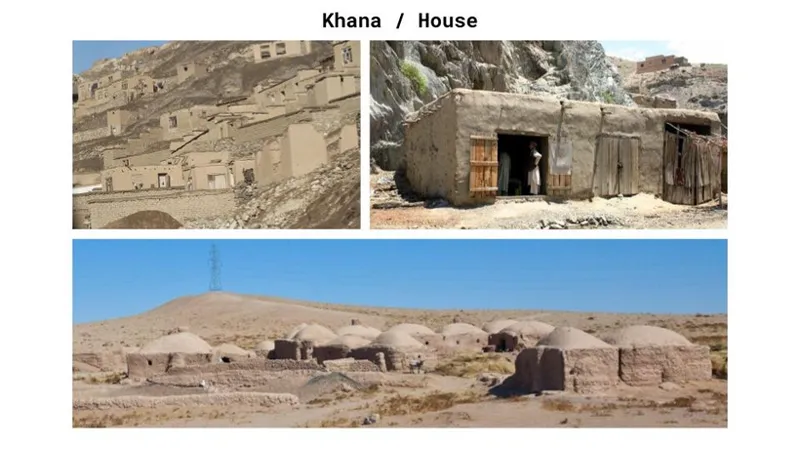
I.1 - Khana
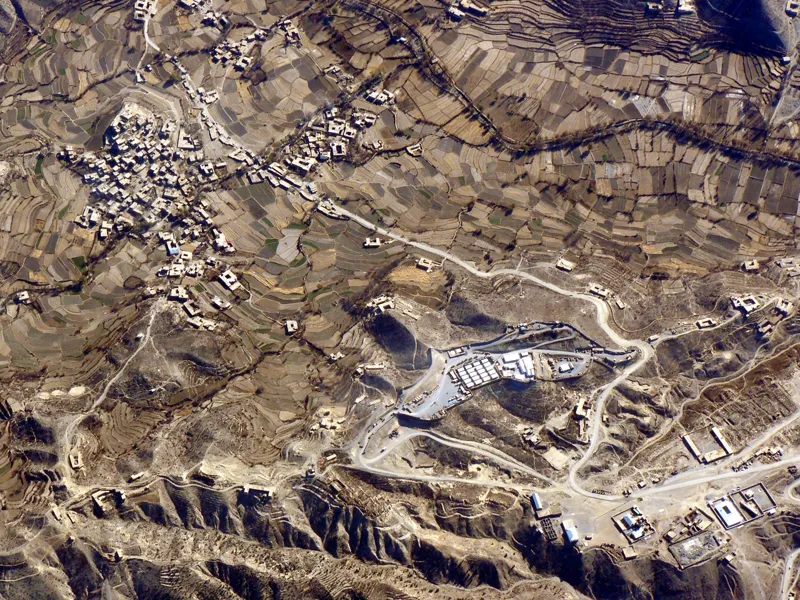
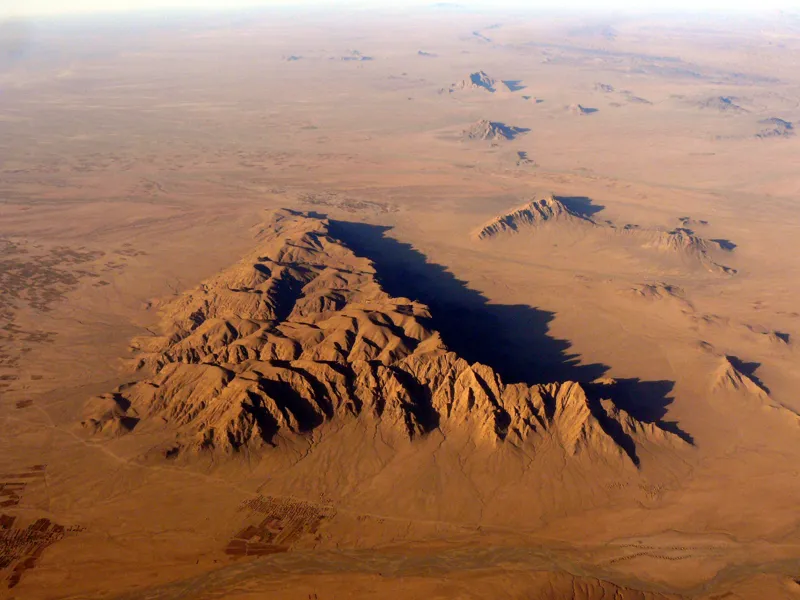
The term Khana is the local designation for a house or a residential dwelling. These are standard residential buildings typically designed for a single family. In mountain areas, these structures are generally characterized by flat roofs, which often serve as additional living or storage space. In contrast, dwellings in desert areas may feature round or cylindrical roofs designed for more efficient heat management. Note that identifying the roof type is a good method for positive identification during a talk-on.
I.2 - The Afghan Compound
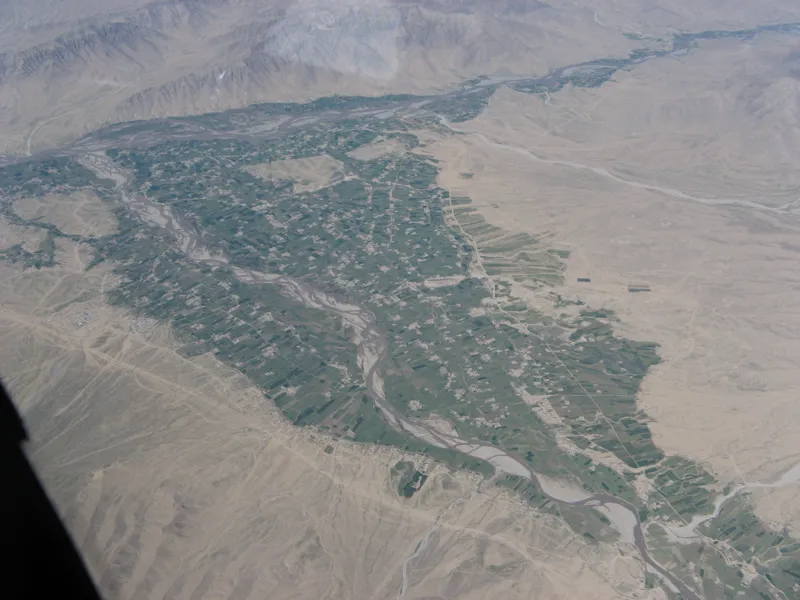
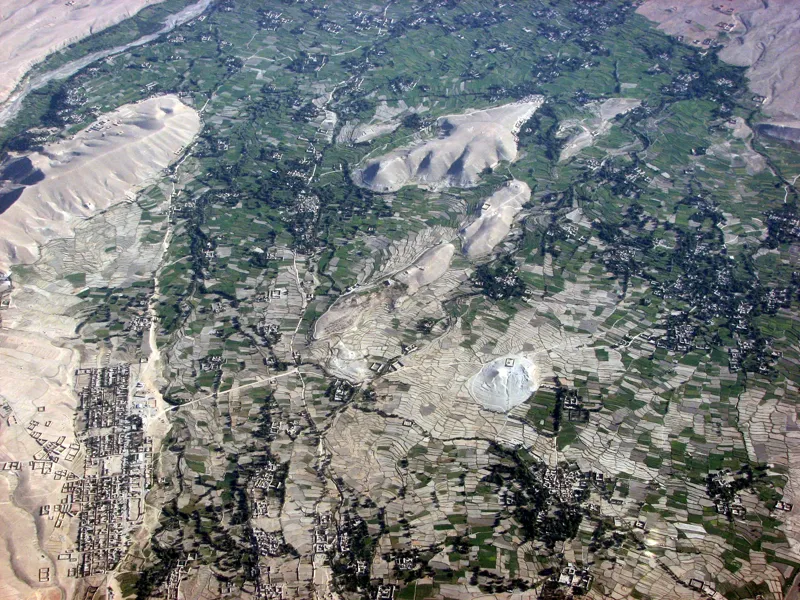
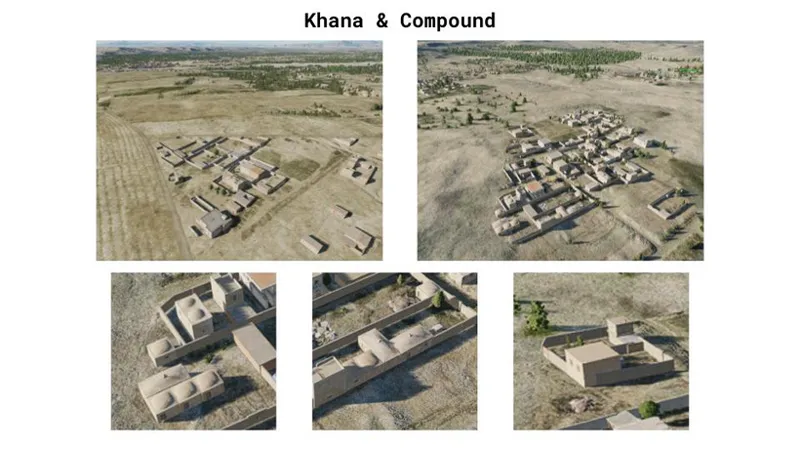
What's called a "compound" is a very common type of building in Afghanistan, and it's generally primary organizational unit of rural Afghan life. From a tactical standpoint, it is important to recognize that a single compound is rarely just one house: it is a multi-generational living space that can house several families.
The internal layout typically follows a specific pattern of life. There is usually a main room or communal building used for larger gatherings or by the head of the family, surrounded by several smaller houses or independent living areas for each individual family unit. This modularity means that a single enclosure can contain a high density of non-combatants.
These enclosures are often self-sustaining. It is common to find cultivated areas or small gardens inside the perimeter walls, alongside dedicated shelters for livestock.
I.3 - Qalat
A Qalat is a traditional fortified residence designed to provide security in an unstable environment. Most of them are almost exclusively mud-walled, but over decades, these walls are reinforced and sun-baked into a concrete-like consistency. They are characterized by high, thick perimeter walls, often three to five meters tall, and a single, heavy entrance. They often feature corner towers or elevated sections that provide excellent fields of view or fire.
In the operational context of the Afghanistan theater, the scale of these structures varies significantly. A Qalat can manifest as anything from a small, localized bastion, protecting a single family or a strategic hilltop, to a massive, heavy fortress that has dominated the landscape for centuries. These larger, ancient "castle-style" qalats feature multi-layered defensive perimeters and thick masonry bases that have withstood generations of regional conflict.
Identifying a "qalat" during a talk-on immediately signals that the target is probably a hardened combat position rather than a standard civilian dwelling.
I.4 - Mosque
In the Afghan operational environment, the identification of religious structures requires an understanding of the diverse forms a Mosque can take. While some, such as the Great Mosque of Herat or the Blue Mosque in Mazar-e-Sharif, are magnificent and unmistakable landmarks with intricate tile work and towering structures, the vast majority of mosques in rural districts are far more modest.
In many villages, a mosque is structurally indistinguishable from a standard Khana. While some may feature one or more minarets (towers used for the call to prayer), many do not. In some cases, the "mosque" may simply be an open-air yard or a designated enclosure with no distinctive architectural features at all, identifiable only by the "pattern of life" observed: specifically the gathering of personnel for prayer at designated times. From the cockpit of a fighter, these sites might only be confirmed through intelligence (e.g. by using the NSL, or No Strike List) or local knowledge provided by the JTAC.
From a legal and operational standpoint, mosques and all religious buildings are afforded protected status under the Law of Armed Conflict (LOAC). They are considered "no-strike" entities by default. This protection is only lifted under very specific and extreme circumstances, such as when the building is being used by the enemy for a specific military purpose (e.g., as a sniper position or an ammunition cache), and even then, the proportionality and necessity of the strike are subject to intense scrutiny.
Furthermore, buildings that serve as both religious sites and historical or cultural landmarks bear an even higher tier of protection. Engaging such a target from the air requires exceptional circumstances and authorization from the highest levels of command, conditions that are almost never met in standard COIN operations... For a pilot, the presence of a mosque or a shrine in the vicinity of a target area necessitates immediate adjustments to the delivery of ordnance to ensure zero collateral damage to the protected structure, often requiring the use of "low-collateral" weapons or offset aim points.
I.5 - Caravanserai
A caravanserai is a historical relic that remains a significant tactical landmark in the modern Afghan theater. In plain English, these can be best described as walled roadside compounds, or trading posts. They are strategically positioned along ancient silk roads and modern supply routes, and they were originally designed to provide secure lodging, water, and storage for merchants and their livestock.
Architecturally, a caravanserai is characterized by its large, square or rectangular footprint with high, thick exterior walls. Internally, a series of small rooms or stalls, originally meant for travelers and goods, line the perimeter, all facing into a massive central courtyard. Because they were built to be defensible against bandits, they often feature a single, large gateway and occasionally reinforced corner bastions.
In the context of modern CAS operations, these structures are significant due to their location and scale. Because they are often situated at key intersections or along major routes like the Ring Road, they could be utilized by insurgent forces as staging areas. From the air, they can be distinguished from a standard Qalat by their larger internal open spaces and their proximity to primary transit lines. When conducting a talk-on, a JTAC can use the size and isolation of a caravanserai to anchor a pilot's sensors, as their distinct geometry stands out clearly against the surrounding terrain.
I.6 - DCS World Buildings
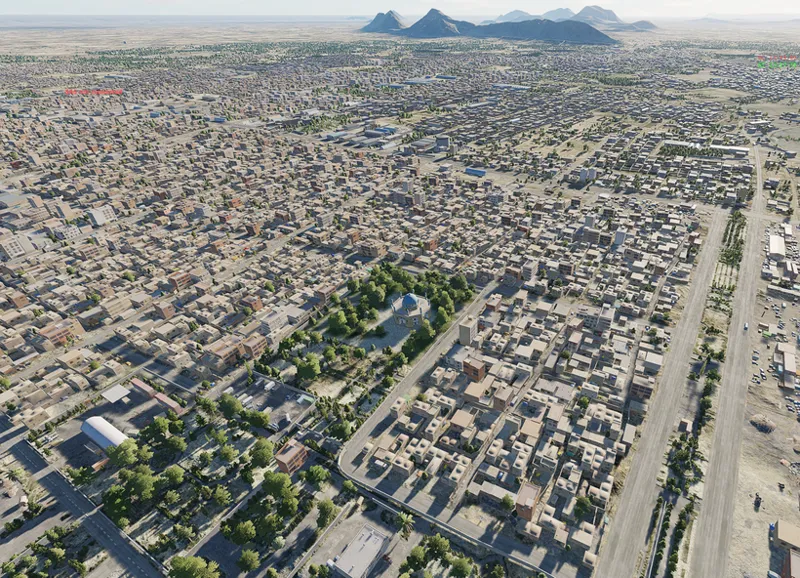
Residential structures in the simulation are relatively well-modeled, featuring a mix of flat and rounded roofs. Many of the in-game assets feature the enclosed courtyard characteristic of a standard Afghan compound. The main limitation is maybe that in actual rural districts, particularly within the Green Zones, compounds are often far larger than what is currently represented in game.
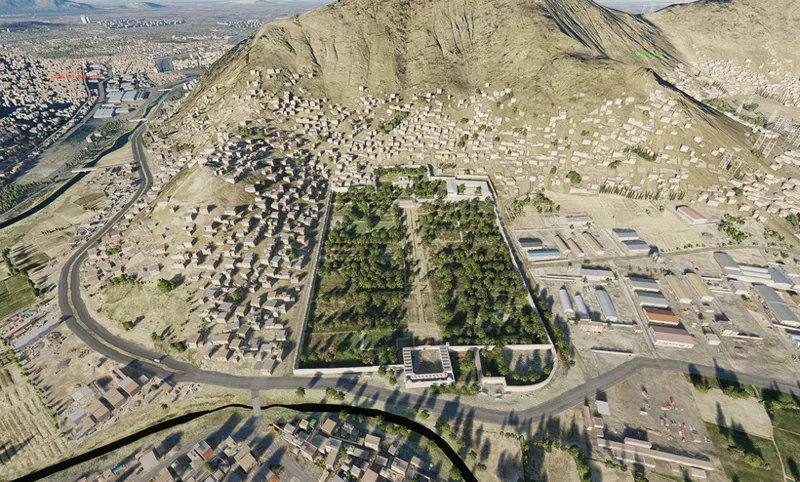
We can note that more specific structures like the small, localized qalat or the massive, multi-century fortresses, such as the iconic castle overlooking the city of Qalat, are currently absent from the map. Similarly, smaller roadside caravanserai are available as distinct objects. It is worth noting, however, that the "Gardens of Babur" in Kabul, which functioned historically as a prominent caravanserai and cultural site, has been remarkably well-represented.
The religious landscape also features several high-fidelity landmarks. For instance, the Mausoleum of Ahmad Shah Durrani in Kandahar is clearly identifiable. However, smaller mosque with less prominent architecture are non-existent.
Note: before we move to the next part, those interested by the historical background of Afghanistan need to understand the significance of "Babur". A direct descendant of both Genghis Khan and Tamerlane, Babur was the founder of the Mughal Empire. Despite his later conquests in India, his heart remained in Kabul: he chose the site for his gardens and it is here that he is buried.
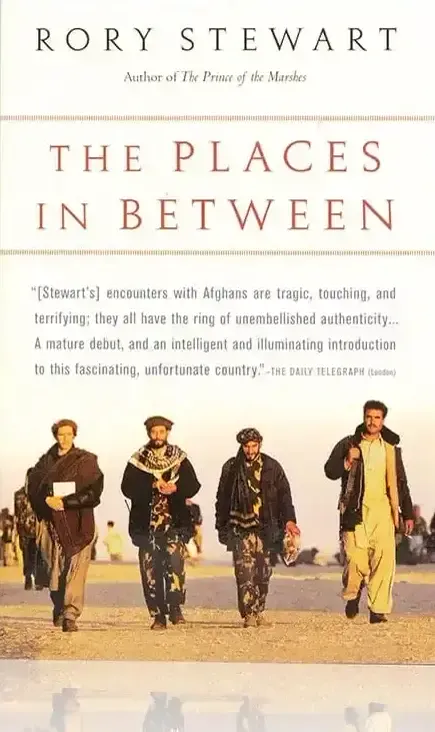
In order to better understand the layering of history in this theater, from the Hellenistic influence of Alexander the Great, who founded cities like Alexandria Arachosia (Kandahar), to the Mughal eras, I highly recommend reading "The Places in Between" by Rory Stewart. The book provides an unusual account of a solo walk across north Afghanistan in early 2002.
