A Guide to the Alphabet Soup of Allied Bases in Afghanistan
FOB, COP, OP, PB... as you have certainly noticed already, the military relies heavily on acronyms. These short forms are used to quickly and efficiently refer to places, units, organizations, procedures, etc... From the well-known FOB (Forward Operating Base) to less common terms like PRT (Provincial Reconstruction Team), the mission in Afghanistan also had its own unique language.
I'll try here to give you a guide to some these acronyms in order to help you better understand the Allied basing system in Afghanistan by explaining what these abbreviations mean. A complete list with definitions will be provided at the end.
The Combat Basing System : A Hierarchical Structure
As we've seen it in the previous article about the medical infrastructure in Afghanistan, it's very common to have a very hierarchical infrastructure system in military operations, that's why it's not surprising that the Allied forces in Afghanistan used a tiered basing system. It is a way of organizing military bases in different levels, each with its own purpose. This structure helped to project military power, provide logistical support, and control operations across the country.
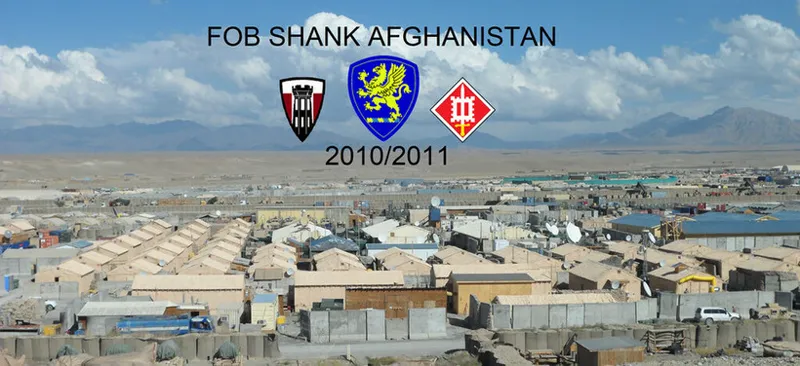
At the center of this system were the FOBs. These were major bases, acting as hubs for a large area. FOBs housed significant numbers of troops, supplies, and command centers. They provided everything needed to support military activities. For example, FOB Shank in Logar Province was like a small city, with housing, food, vehicle maintenance, and intelligence facilities. At its peak, it hosted around 18,000 troops!
Extending outwards from the FOBs were COPs. These were smaller bases, located closer to the areas where operations took place. COPs were important for maintaining a constant presence and conducting patrols. COP Keating in Nuristan Province, for instance, is well know for being partially overrun and nearly destroyed during an attack in 2009...
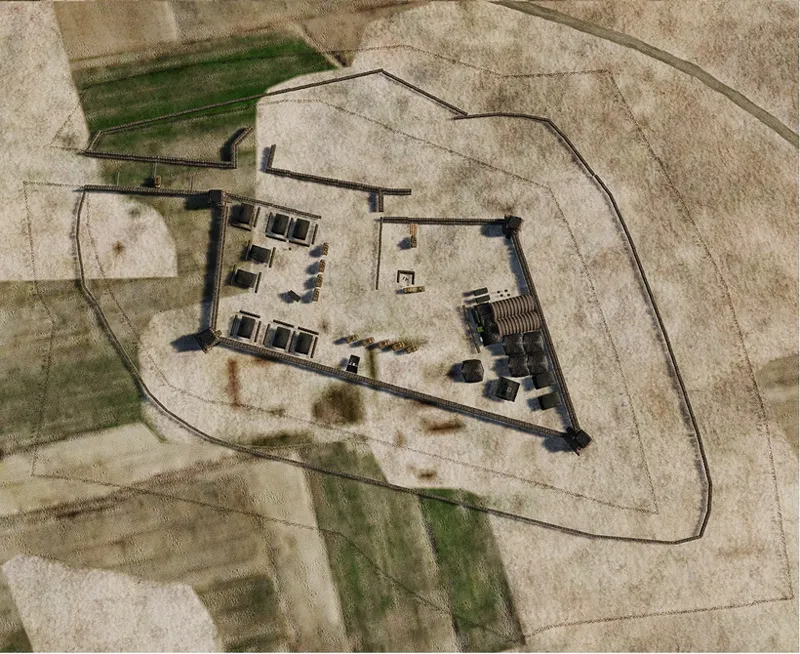
Even smaller were PBs. Patrol Bases were often temporary. They were set up for specific patrols or short-term operations. PBs allowed forces to have a greater presence on the ground and interact more closely with local communities. Life there was very harsh, as you can read it here if you are curious. In some cases, these were specifically VPBs, or Vehicle Patrol Bases, designed to support patrols using vehicles.
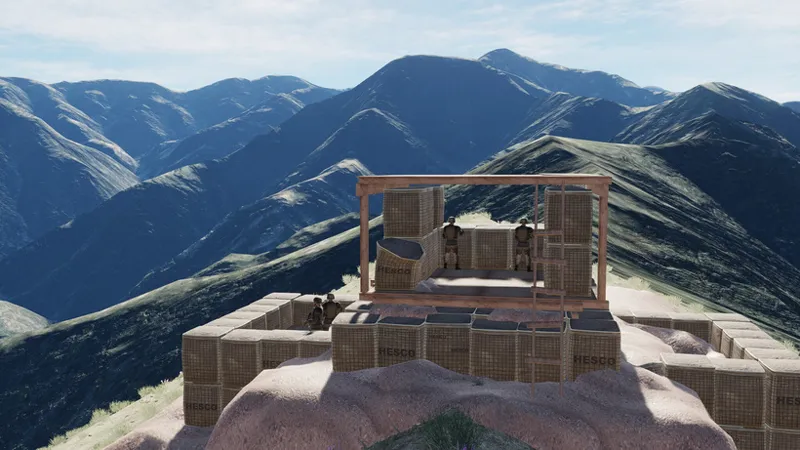
OPs served a different purpose. Observation Posts were used for surveillance and gathering information. They were often located in high places to see a large area. OPs provided early warnings and helped to understand the situation on the ground. Some were permanently manned, some were only temporarily occupied.
OPs are supposed to offer an advantageous point of view.
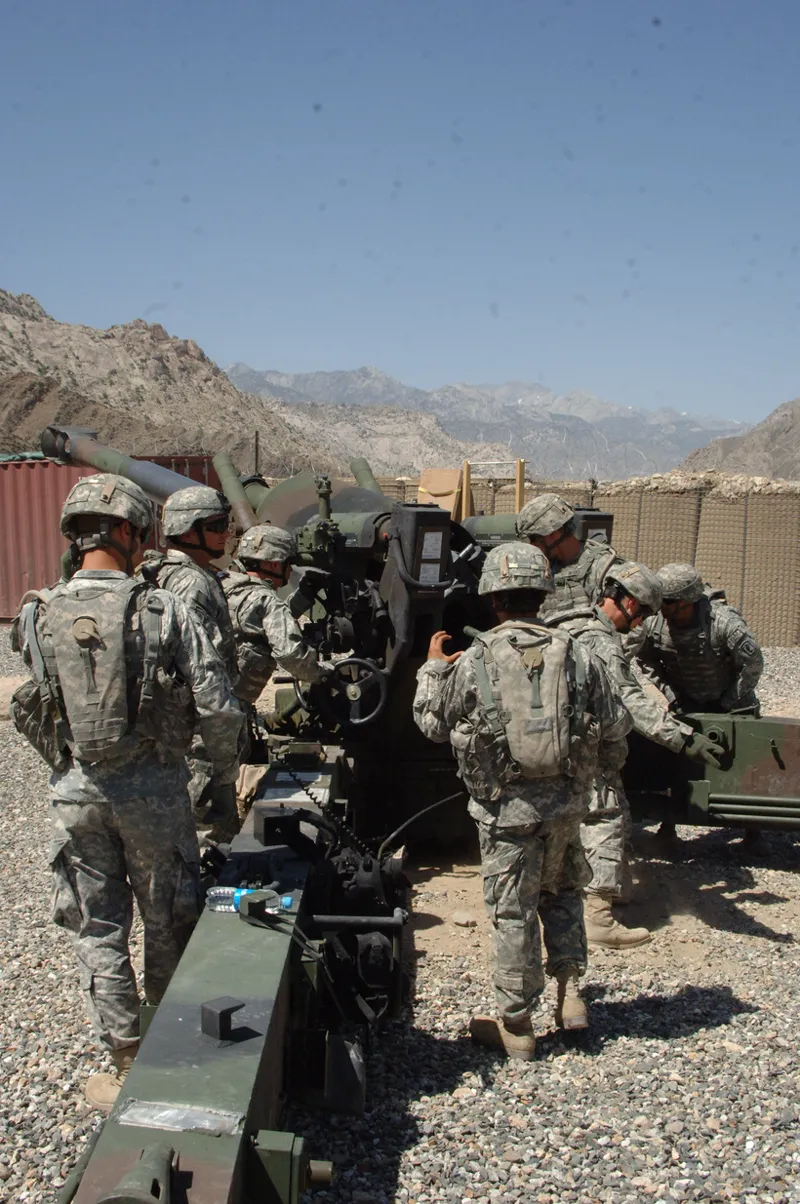
Fire Bases (a.k.a. Fire Support Bases) provided artillery support to ground troops. They were positioned to help infantry when they were far from their main base. They were very commonly used in Vietnam, but more seldom in Afghanistan, mainly because artillery units were often located in FOBs, rather than in dedicated FSBs.
A 155mm Howitzer in FOB Kalagush.
Finally, we can note that MOBs (Main Operating Bases) were larger than FOBs and served as major logistical and administrative centers.
The relationship between these bases can be seen as a hierarchy. A central FOB might support several COPs. These COPs might be surrounded by several PBs and OPs.
A Lesser-Known Role: Reconstruction and Coordination
The mission in Afghanistan was not only about military operations. It also included efforts to rebuild the country, improve governance, and promote stability. Several acronyms are important for understanding these aspects.
PRTs played a key role in reconstruction. Provincial Reconstruction Teams were made up of both military and civilian personnel. They worked on a variety of projects, such as building schools and hospitals, improving infrastructure, and training local officials.
CMOCs were crucial for coordination with the civilian authorities. Civil Military Operations Centers helped to bring together military operations and civilian efforts, in particular in terms of humanitarian support. This coordination was essential to ensure that military activities supported, rather than hindered, development work.
Additionally, BCCs were established in key border regions. Border Coordination Centers, such as those at the Khyber Pass, facilitated cooperation between Afghan and Pakistani authorities to improve border security and control movement.
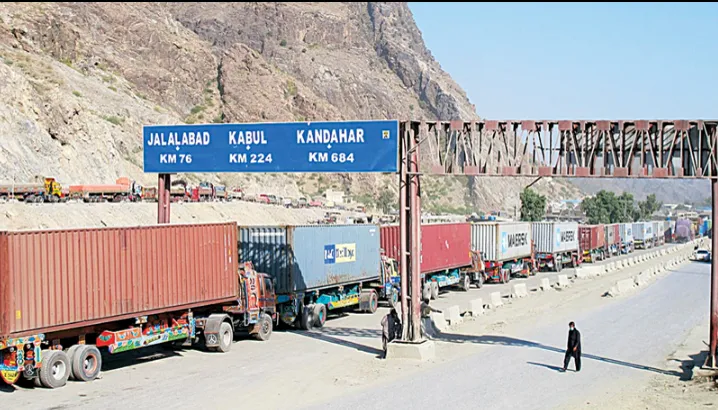
Truck waiting too enter in Afghanistan at the Khyber border crossing check-point.
List of Acronyms and Definitions
List of the acronyms describing the basing system in Afghanistan.
TV Hill in Kabul was one of the few COMMS SITE in Afghanistan, and also a perfect OP!
Looking Ahead: Even More Acronyms !
While this article has focused on acronyms related to bases in Afghanistan, there are many other acronyms used in military operations... For example, understanding acronyms used in close air support (CAS) is a whole other area of study, especially when it's time to decipher a JTAR... Please comment below if you'd like a dedicate article on this topic!