

Are There Natural Treatments for Endometriosis?
Nature can be powerful ally!
Natural doesn't always mean safe. And a blog post is not a substitute for proper medical care! This isn't medical advice it's just information that you may find useful. That's the disclaimer. Now let's get to the good stuff.
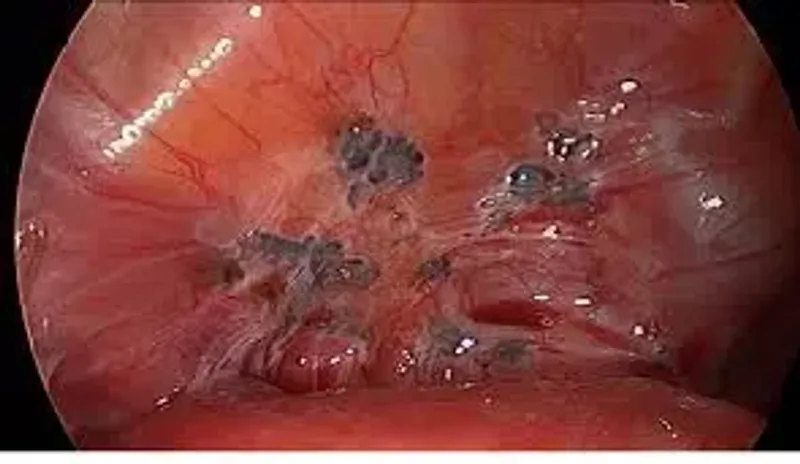
Endometriosis (lesions pictured above) isn’t just “painful periods.” It’s a chronic inflammatory condition where tissue that acts like endometrium builds little outlaw settlements around the pelvis. These lesions bleed, inflame, and stir up chemical chaos.
Sadly, there’s no cure.
But there are evidence-based natural strategies that can help turn down the pain, inflammation, and hormonal static, especially when paired with medical care.
Let's take a look at three of the most promising (and evidenced based) natural treatments out there.
#1 Vitamins C + E — The Antioxidant Buddy Cop Duo
What They Do
Endometriosis lesions generate oxidative stress, baiscally a firestorm of reactive oxygen species (ROS) that worsen pain and tissue irritation. Vitamins C and E work together to neutralize those sparks:
Vitamin E protects cell membranes from oxidative damage.
Vitamin C patrols the watery spaces, quenches ROS, and regenerates used-up vitamin E.
Evidence Snapshot
Multiple randomized trials show vitamin C + E supplementation reduces pelvic pain, period pain, and dyspareunia in endometriosis.
A 2024 meta-analysis confirmed significant pain reduction across studies.
C + E also reduce markers of oxidative stress in peritoneal fluid.
Why It Helps
Endo lesions bathe in blood breakdown products and iron—perfect conditions for oxidative chaos. Antioxidants help cool the chemical fire.
Typical Study Doses
Very roughly:
Vitamin C: 500–1000 mg/day
Vitamin E: 200–800 IU/day
(Work with a clinician; high-dose E can increase bleeding risk.)
Fun Fact
Vitamin E’s scientific name, tocopherol, comes from Greek roots meaning “to bring forth childbirth.” It was literally discovered as a fertility factor.
2. Fiber — The Estrogen Garbage Truck
Why Fiber Matters
Endo (lesions on ovary pictured above) is estrogen-sensitive. More estrogen = more fuel for lesions.
Here’s the trick:
Estrogen is metabolized by the liver, dumped into the intestines… and then much of it gets reabsorbed back into the bloodstream unless something stops it.
That something is fiber.
How It Helps
Fiber binds estrogen metabolites in the gut and escorts them out of the body.
High-fiber diets lower circulating estradiol and increase SHBG, reducing biologically active estrogen.
Fiber also supports a healthier gut microbiome, including the “estrobolome,” which influences estrogen recycling.
Practical Targets
25–35+ grams/day, increased gradually.
Best sources: beans, lentils, whole grains, chia, flax, vegetables, berries, nuts.
Ruffage Perks
A healthier microbiome = lower systemic inflammation, better bowel movements, and fewer “endo belly” blow-ups.
Fun Fact
Your gut bacteria directly influence how much estrogen your body recirculates. Your poop is, quite literally, part of your hormonal system.
3. NAC (N-acetylcysteine) — The Lab Tech Sabotaging Endo Lesions
What It Is
A precursor to glutathione, the body’s master antioxidant. NAC has been used for decades as:
The antidote to acetaminophen overdose
A mucolytic for lung disease
An anti-inflammatory support in chronic illness
Now it has entered the endometriosis chat.
Evidence Snapshot
Several studies, including a well-cited Italian trial and newer data, show:
Reduced endometrioma size
Fewer surgeries needed
Lower CA-125 (an inflammation marker)
Improved pelvic pain
Possible improvements in fertility outcomes
How It Works
Boosts glutathione → better handling of oxidative stress
Calms inflammatory signaling (NF-κB and friends)
Slows proliferation of endo cells
Supports detoxification pathways
Typical Study Dose
600 mg, 2–3× per day (again, this is research protocol, not personal medical advice)
Fun Fact
NAC smells vaguely like rotten eggs because it contains sulfur, the same chemical feature that makes it such an effective detox + antioxidant molecule.
Putting It All Together
These natural tools won’t cure endometriosis. But what they can do is shift your baseline:
Vitamin C + E → Less oxidative stress + less pain
Fiber → Lower estrogen load + calmer inflammation
NAC → Better detox capacity + smaller lesions + improved symptoms
Think of them as terrain shifters: subtle, biochemical nudges that make your internal environment less hospitable and that makes it harder for endometriosis to thrive.
Practical Starting Framework
(Not medical advice — just common patterns seen in studies and clinical practice.)
Increase fiber slowly
Aim toward 25–35 g/day from real food; add water.Diet rich in Vitamin C
Citrus, peppers, strawberries, broccoli → consider supplemental C if needed.Vitamin E through food first
Nuts, seeds, avocado; supplement only if discussed with a clinician.If exploring NAC
Discuss with a provider—especially if on medications, pregnant, or planning surgery.Track symptoms
Pain levels, bowel changes, cycle regularity, bloating, energy.
Reality Check
Endo is a long game. These tools work like infrastructure upgrades—not fireworks.
Most people notice improvements over 8–12 weeks, not days.
But layered together with standard care, they can meaningfully lower inflammation, ease pain, and help you reclaim more of your daily bandwidth from the endometriosis gremlins.
Thank you all for being part of the secret classroom. If you have a question about this topic please leave it here as a comment.
Comments (7)
Thank you so much for this much needed knowledge. Treatments for endo are so expensive and sometimes I was not able to receive those treatments due to insurance declining access. Natural remedies are more accessible anyway and ultimately better for the body without the nasty side effects from medication.
Wish I had knew this 25 years ago. I've suffered from endometriosis ever since I was 15. I've had 3 surgeries and of course the birth control and shots to aid in the problems steming from endometriosis. This could have probably saved me from all the surgeries and being bed ridden due to the severe pain. I'm 50 now and I still have somewhat the same symptoms as endometriosis going on. I'm going to try this to see how it goes. Thank you so much for all the info you have shared. You're more informative than any doctor I have went to including the specialist.
Any idea how this relates to adenomyosis? Very interested in information!
This information has been more valuable and insightful than every single doctor visit I’ve had. Thank you ❤️
You are truly a beast of endo public education and awareness. Thank you for your compassion for us sufferers and for making info from studies done in many places more accessible to us!
Again, I thank you so much for this... This gives me a place to start a discussion with my doctor. I have had two surgeries this year and am still being kept out of work frequently due to pain and other issues related to endo. I always love seeing your articles on this topic.
I am 56, no period for 5 years. Never ending effing hot flashes for 15 years. I still feel occasional endo pain, occasional ovulation pain and I still get endo belly. Im going to add C+E and see how it goes.