





THG Update - March 2023
Hi all, Kyle here!
I'm a bit late with this update since I intended to do it on March 31st, but better late than never. March was a VERY slow month for me, so this will be a more general THG update.
Work on the structural model has been mainly with hull frames, and it's is a hugely tedious process. As a result I've found myself struggling a bit with motivation (story of my life), but that's alright. I usually take bits of time to do other stuff and then I jump right back into the tedium. I still have a ways to go with the frames and their various types, but that's fine given that these objects are visible across wide swatches of the ship, so it's good to take time with them. I'm looking forward to being able to show the full set of frames along the hull as I think that'll be a really neat sight.
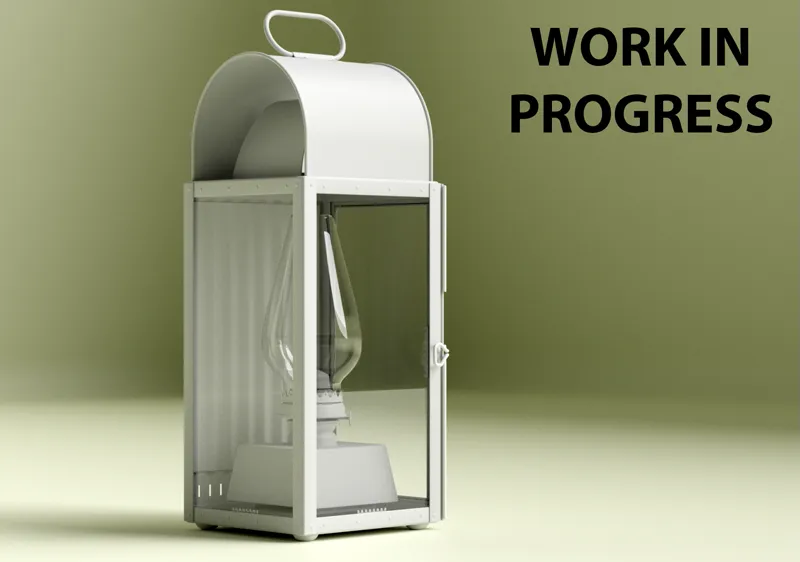
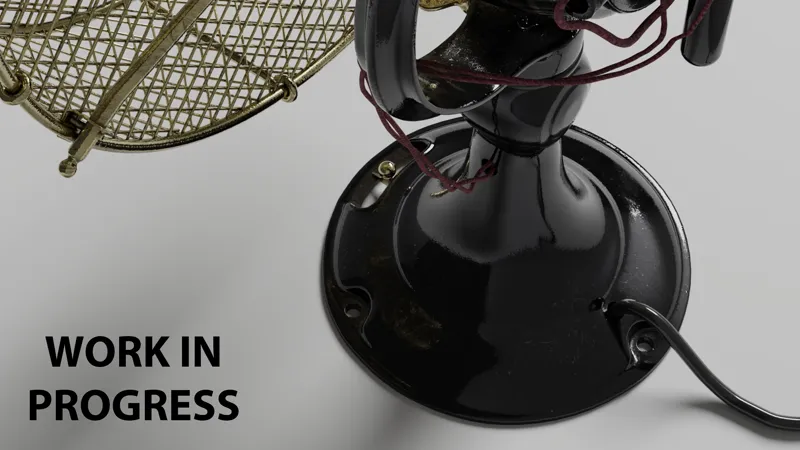
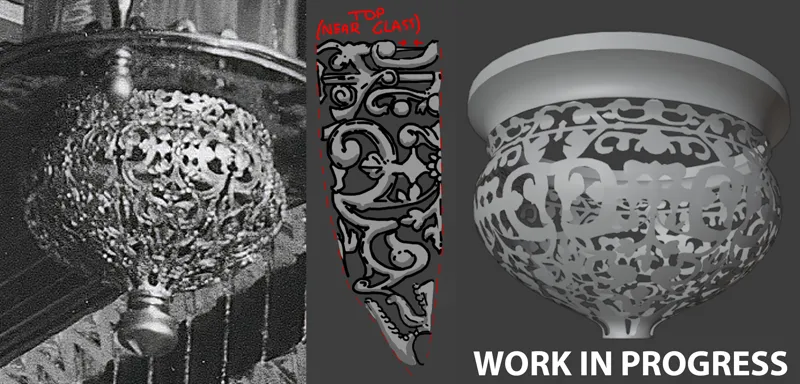
While I work on Alpha stuff, work's been going in the background on both Project 401 and other Alpha assets. I'll leave it to Derek to talk about his work on Project 401. What I will say is that we've brought in a couple of new volunteers and they're been doing lovely work on some new assets. It's not a lot at the moment, a handful of objects, but it goes to show the kind of detail we're aiming for and are now able to do. Items shown in the gallery here include a lantern, a fan, a pool shower, and a Turkish Bath light fixture.
In the process of making these assets, we've have some fun (and occasionally contentious" research dialogue, and plenty of nitpicks. In the case of the Turkish Bath fixture, we were trying to figure out how best to make the special cut-out designs on the top and bottom of the fixture. Jason Chester, the volunteer making it, drew up a wonderful sketch of the details and is now working on making it in full 3D. Some on the research team have also experimented with 3D scans made from photos and videos of the wreck and artifacts, and so those occasionally help as well, particularly in getting size and proportions correct.
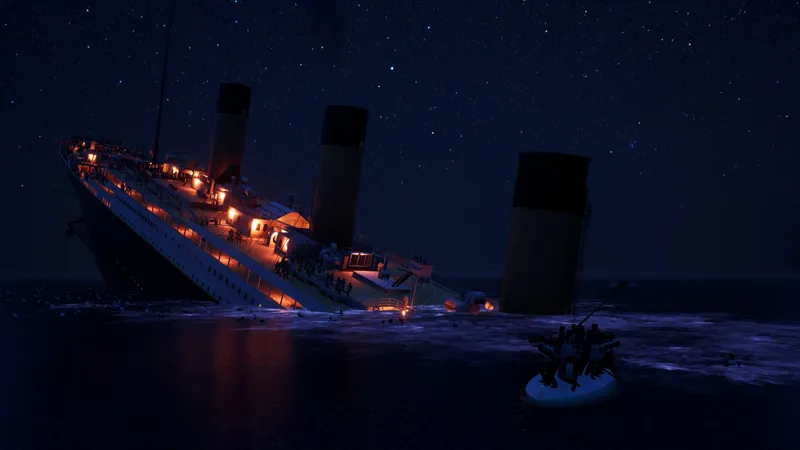
On the snowball side of THG (just kidding, every side of THG is a snowball), our media manager Jack has been snowballing us a new real-time sinking for the upcoming sinking anniversary, with updated movements, lighting, animations and effects, and using the "dollhouse" model I had prepared for an unfinished animation back in 2019. This model has much more detail then the one used before and includes low-detail 3D interiors behind windows and portholes to give depth to the ship. We probably won't reveal much of the new animation before the anniversary, but just know Jack's been working super hard on it and is excited for you all to see it. If you haven't seen the trailer yet, you can watch it here:
https://www.youtube.com/watch?v=ZqkWUKq4-Jk
Earlier in the month, there was an announcement of our new partnership with RMS Titanic, Inc., the salvor-in-possession of Titanic, the only entity with the rights to raise artifacts from the wreck site, having already mounted many expeditions bringing up over 5,000 items, many of which can be viewed in multiple exhibitions including at the Luxor in Las Vegas. Check out our announcement video if you missed that:
https://www.youtube.com/watch?v=edu1WgB8kMY
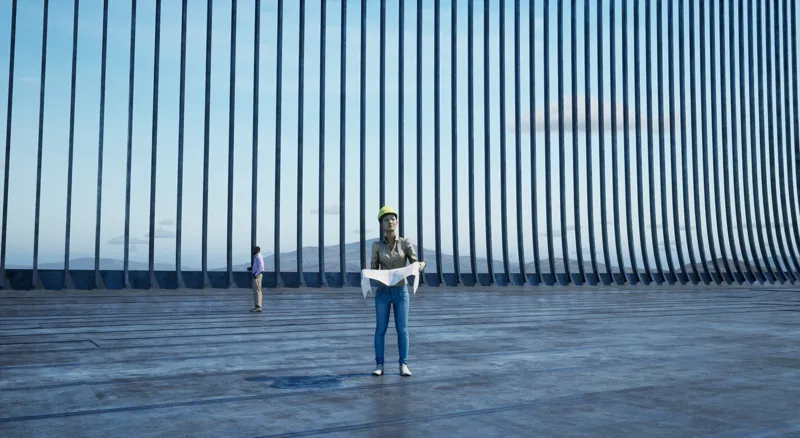
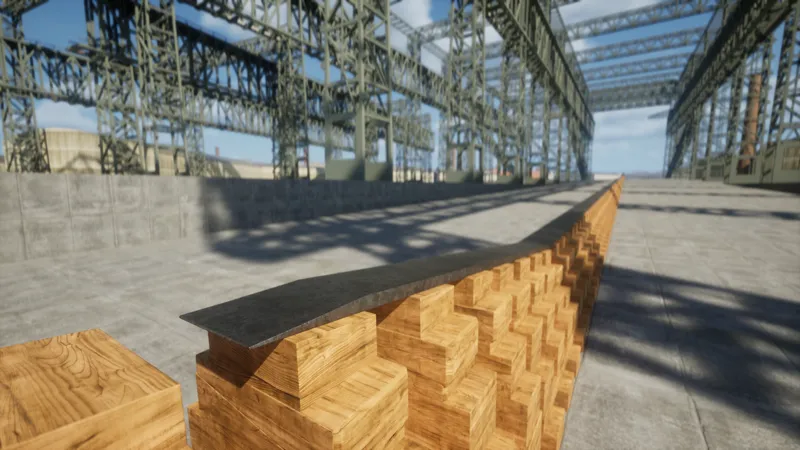
Finally, a tiny treat: March 31st, 1909 is the generally-accepted date on which Titanic's keel was laid down. This process was long in the making starting with the construction of the Arrol Gantry in 1908, a huge structure designed to carry a large array of cranes over the slipways on which Titanic and Olympic were built. Once that was in place, Olympic was laid down in December 1908, and Titanic followed in 1909. There's some uncertainty about the exact keel-laying date, but most have settled on March 31st. The keel-laying involved first laying down a series of wooden keel blocks along the center of the slipway (an angled surface with one end below the waterline and dammed to keep the water out until ready to launch). Once that was done, the keel-laying proper could begin. This would have started with the very first pieces of the ship to be put in place: the keel bars. The keel bars were thick bars of steel that formed the actual very bottom of the ship, essentially what the ship rested on. It was on top of these keel bars that the keel plates and vertical keel were put in place, and then from there the ship grew. But it all started with the keel bars. To mark the occasion, I slapped together a quick scene using our old Demo 3 Belfast scene and rough gantry to show how that first step would have looked (images are in the gallery of this post). There are many benefits to doing the structural model this way, but one of the coolest is certainly being able to strip the ship down to these early stages of construction to see just how it was put together.
That's all for now! We hope you'll be able to make it to our anniversary livestream on the 14th-15th of April, and as always thank you for your support!
Comments (4)
I know the belfest map is lower quality but I'd love to see more renders of your progress in the map. It just looks cool.
These are beautiful, love the small details. Have you guys been leveraging GPT-4 to help with some of the work load? Could see it being really useful for finally putting everything together.
Wow! Those renders look like photos of real objects! Absolutely stunning! Thanks for the peak into what's going on. Keep up the great works! ;)
Oh boy, oh boy, oh boy. And, since this fine prose becomes part of the record, you may want to look at the phrase "(and occasionally contentious"."