





Cyrillic-101 for DCS MiG-29 Pilots (1/3)
With the long-awaited release of the full-fidelity MiG-29 in DCS, many of us are discovering that mastering the aircraft means more than just learning its aerodynamics, systems, and tactics: it also means learning some its language.
In the MiG-29’s cockpit, HUD symbology, and several instruments such as the SPO-15 “Beryoza” radar warning receiver display information exclusively in Cyrillic script. While the English cockpit exists, serious pilots seeking an authentic experience, and especially those flying in the original Russian cockpit with metric units, quickly realize that a basic understanding of Cyrillic is essential.
As an "average" Russian speaker myself, I thought is would be interesting to introduce the Cyrillic alphabet. No linguistic background required, but just a few minutes of study to turn the cockpit from a wall of strange letters into readable, meaningful labels.
In order to help you, let's divide the Cyrillic alphabet into 4 categories.
I. Letters that look like Latin letters and sound the same
A gentle start: several Cyrillic letters look and sound exactly like their Latin counterparts. These are your visual allies when reading labels!
II. Letters that look like Latin letters, but don’t sound the same
These are the classic “false friends.” They look familiar, and your brain will want to misread them. Recognizing these early helps prevent confusion. In particular, the "inverted N" is a "i"...
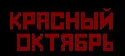
By learning these few letters, you'll be already able to avoid stupid mistakes, like this one in the famous movie "Red October" with Sean Connery: the "I" and the "R" don't even exist in the Cyrillic alphabet.
III. Letters that look different but sound familiar
These letters have unique shapes, but their sounds correspond to phonemes you already know from English or other European languages.
For those who have studied some Greek, or who come from a scientific or engineering background, several Cyrillic letters will feel instantly familiar. These are the “true friends” of the alphabet, since their shapes and sounds are inherited from the same roots as Greek.
They look like the symbols you’ve already seen in equations, diagrams, or on aircraft system labels, and most of they sound like their Greek counterparts. Even when not identical (for example, Д (D) isn’t precisely Δ (delta)), it’s close enough to be unmistakable.
IV. Letters with no equivalent
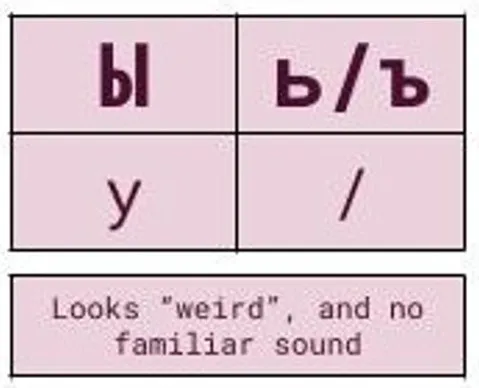
Three letters cannot be classified with other letters. The first one (Ы) is a purely Russian sound, the two others (ь/ъ) are letters that modify the pronunciation of the previous letter. Even if they are very rare in cockpit labels, they’re worth knowing for full comprehension.
Conclusion: a small effort with great payoff
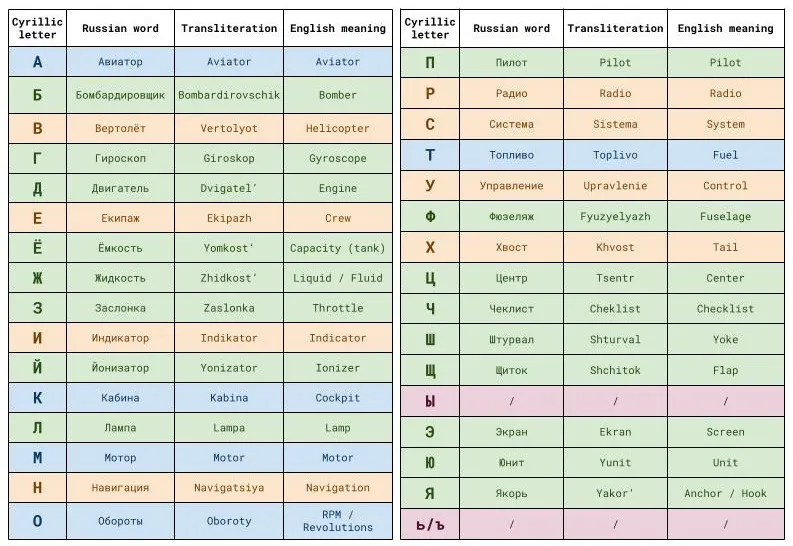
Learning Cyrillic requires only a modest investment but pays off immediately in immersion and understanding. Once you can read the letters, you’ll find that many Russian aviation terms have Latin or French roots, and many modern terms are simply transliterated English words.
For instance: авиабомба → aviabomba → aviation bomb...
Once you can read, you can recognize. And you’ll never unsee what Hollywood thinks is Russian....
In future posts, we’ll apply this first introduction to the MiG-29’s HUD symbology and SPO-15 RWR display, easily transforming the symbols to understanding.