

What makes a paintjob work?
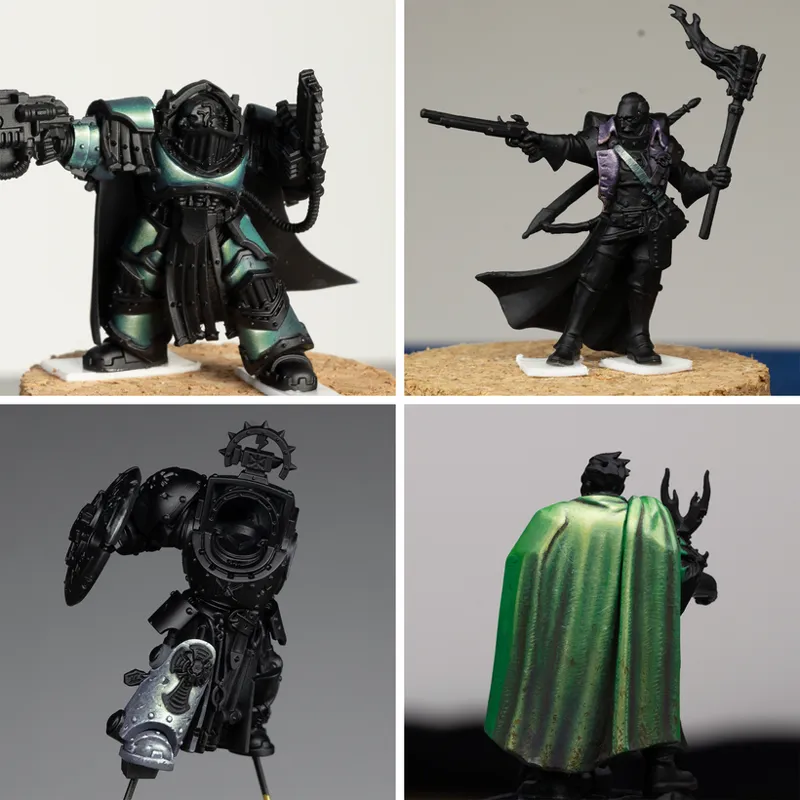
A big problem I see in the way miniature painting is portrayed on social media is its obsession with rendering and detail.
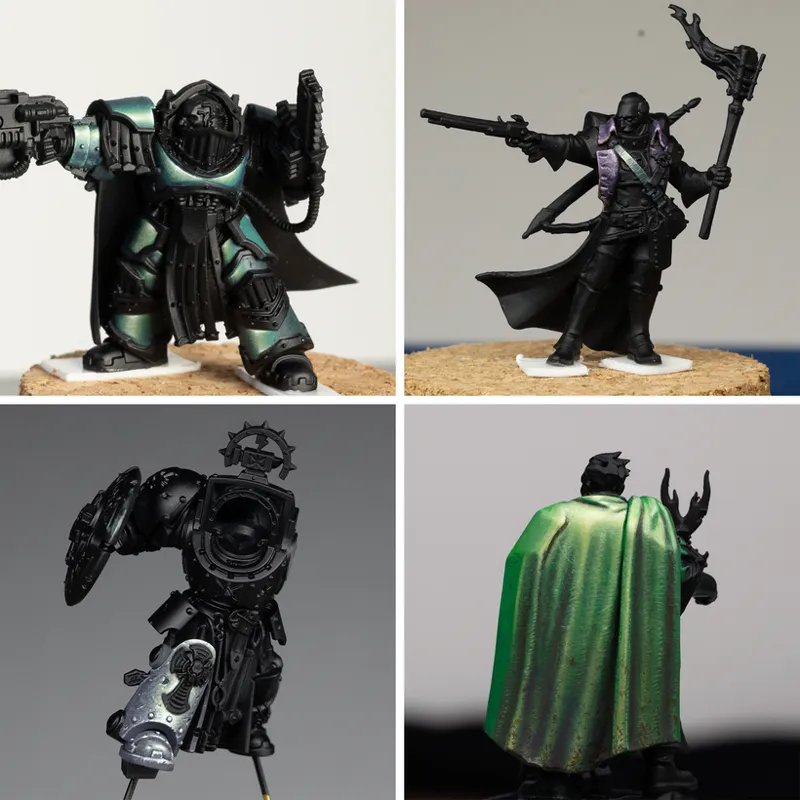
You’ve probably seen the kind of post I’m talking about. A primed figure - except for one hyper-rendered shoulder pad, or knee, or helmet. The contrast between the black primer and the fully polished surface makes it feel almost magical. And it works. It grabs attention.
And let me be clear - I’m guilty of this too.
Competitions like Golden Demon reinforce this way of thinking. The goal becomes to paint the most refined, most detailed surface possible. While I deeply respect and enjoy striving for that level of craftsmanship - I’ve found myself asking a different question:
What actually makes a miniature work?
Not just up close under magnification.
But from across the room.
At arm’s length.
AND up close.
Does the piece have hierarchy?
Does it guide the viewer’s eye?
Is there a clear focal point?
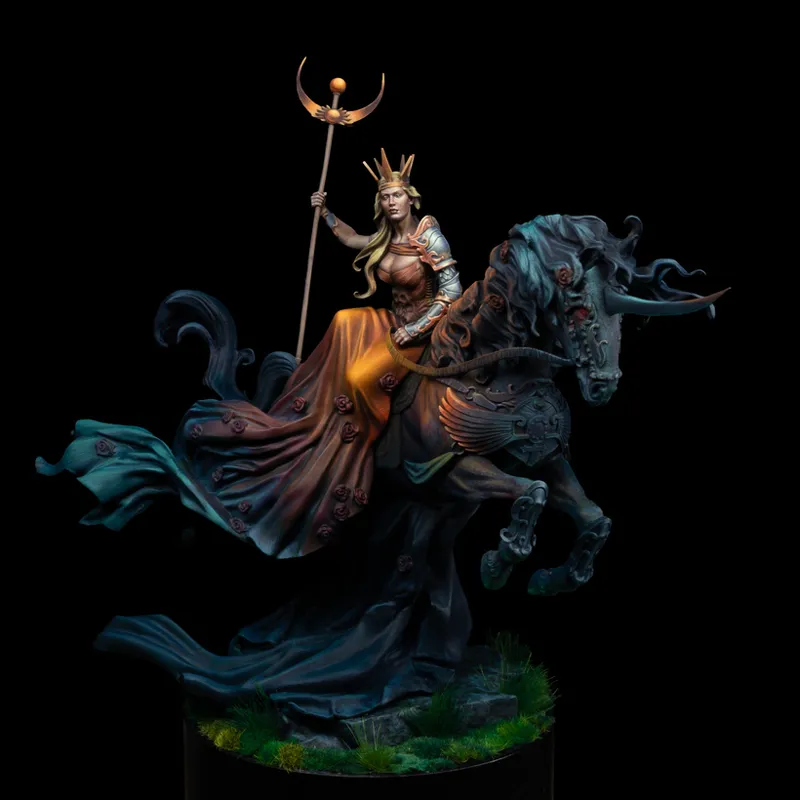
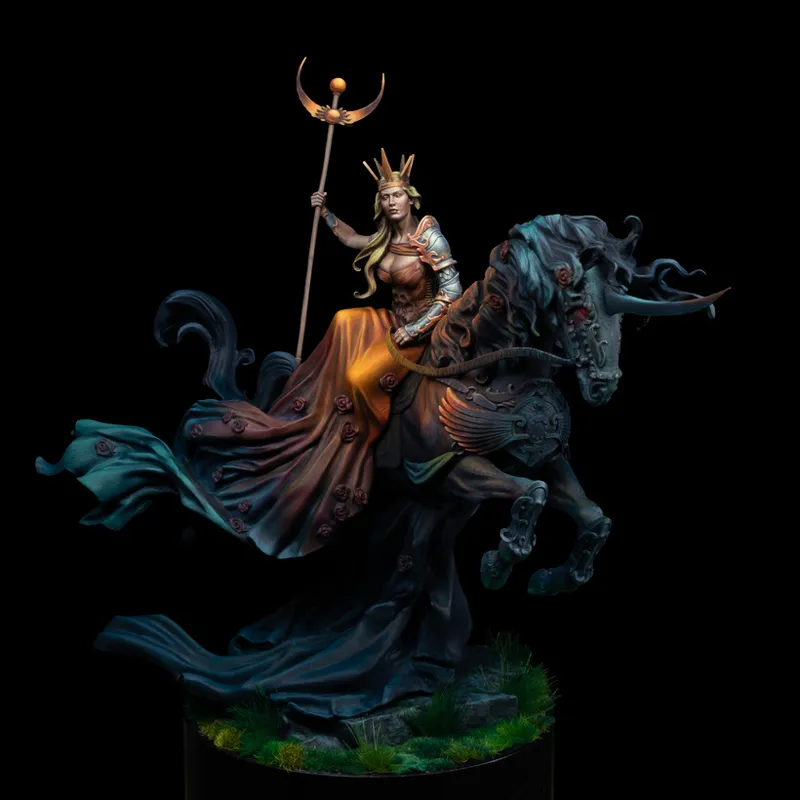
On my recent Aradia piece, I deliberately lowered the contrast in areas that weren’t meant to command attention. The cloak received less dramatic highlights so that the rider could stand out more clearly. I chose cooler tones for the clothing so that the warmth of the light would feel more alive by comparison. If you're interested in a deeper color analysis about this piece feel free to read more here.
None of these decisions are about rendering skill alone. They’re about making choices on the structure in your model.
Not everything on a figure should be equally important.
And yet, because we often paint under magnification - and judge our work from only a few centimeters away - it’s easy to forget that.
Painting that works at multiple viewing distances requires intention. It requires understanding how light, color, and contrast function across the whole figure - not just on isolated parts. This topic is especially relevant on larger-scale miniatures where there's more room to express yourself.
That kind of decision-making rarely develops by accident. It’s something you build through deliberate practice.
This is one of the central ideas behind the workshop I’m running this spring.
Foundations of Miniature Painting starts on April 6. It’s a six-week structured workshop focused entirely on building a clear mental framework and pratical technique - through understanding light, volume, and reciving guided feedback.
Enrollment closes April 3 at 23:59 CET, and once we begin, the group moves forward together.
If you’ve been wanting to improve on your painting without knowing where to start - this workshop is designed for you!
You can read more about the workshop here:

Comments (1)
I would really like to take the workshop but I'd have to skip the first 2 weeks and then try to catch up later and...speed is not my strong suit. Count me in for round 2 of the workshop though.