

The Language of Fashion: B Part 2
For your weekly dose of vintage fashion nerdiness, we continue with our new blog series, The Language of Fashion.
Today we continue with B. In our last post we covered babiche through bas, which brings us to...
basané. A French word meaning sunburned, bronzed, or tanned.
Basco. Trade name for the linen-like finish given to cotton damask.
baseball shoe. A shoe worn by baseball players during a game, also known as a Baseball cleat.
basic color. The color of a basic dress or coat or both, or a suit, which is the principal color of the costume. With it may be worn accessories of one or more colors to give accent and variety.
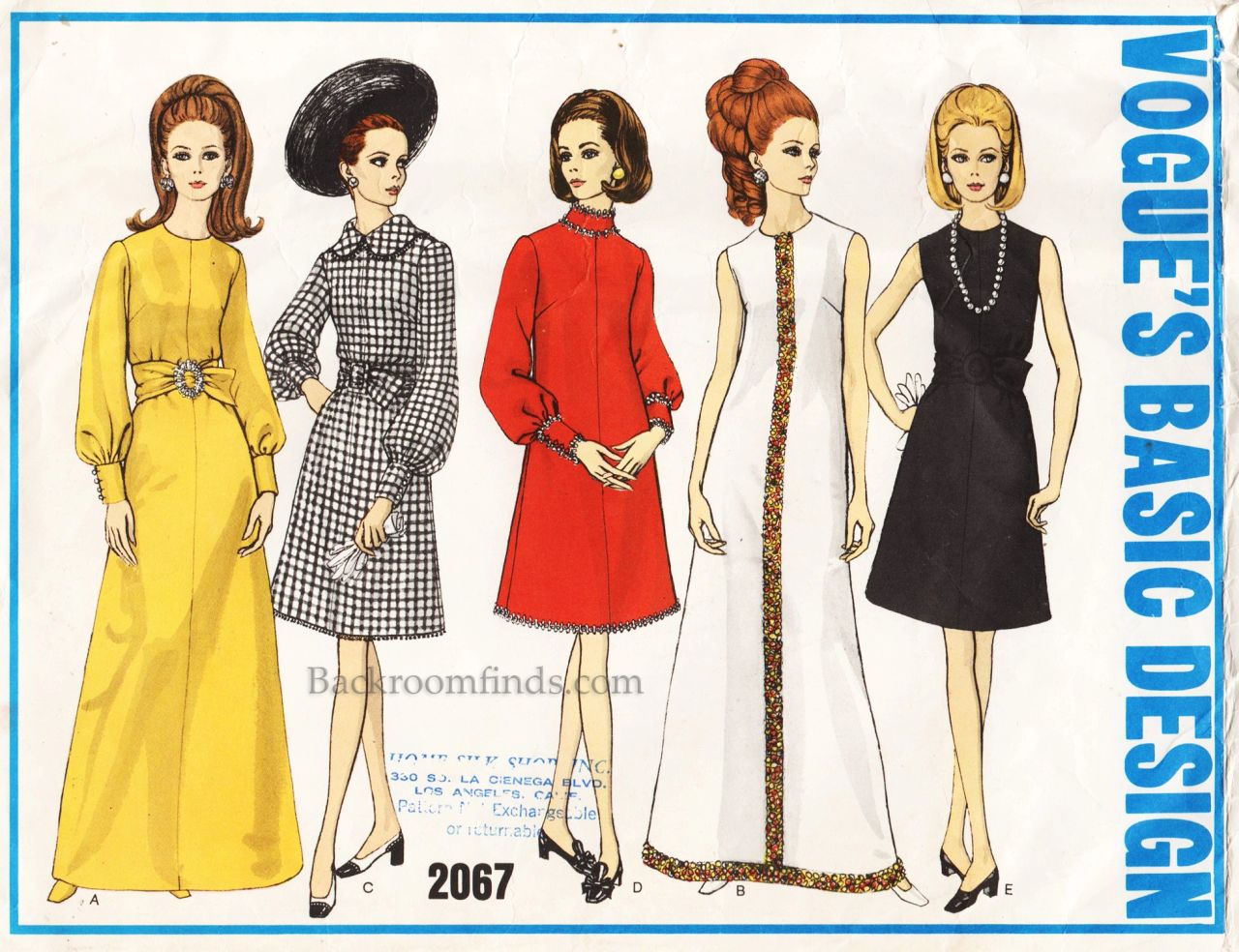
basic dress. A simple, classic type of dress, accessories for which can be varied.
basin. The French word for a cotton fabric that resembles dimity.
basinet. Small, shallow, close-fitting helmet with or without visor, often pointed on top, shaped somewhat like a basin.
basket cloth. Fabric in basket weave.
basket filling-stitch. An embroidery stitch worked like darning.
basket-stitch. Embroidery stitch resembling a series of overlapping cross-stitches.
basket weave. Plain weave with two or more yarns used as one.
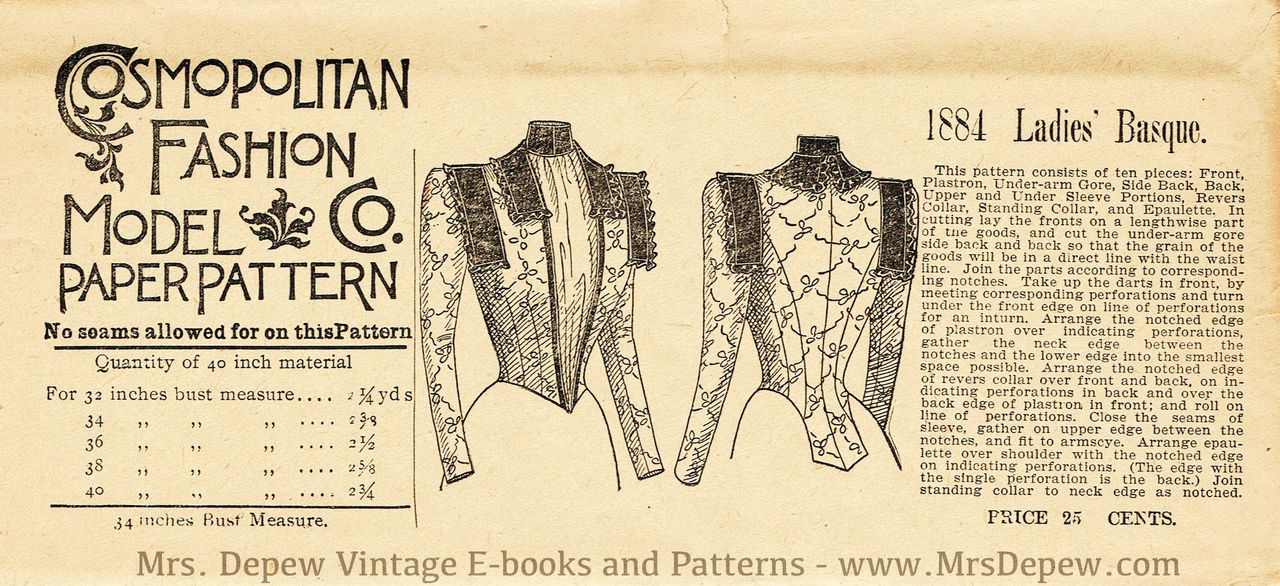
basque. Bodice closely fitted by seaming from shoulder to waist, with or without a short skirt-like continuation. Typical of bodice worn by Basque peasants. French word meaning short skirt, as on bodice or jacket; originally on doublets.
Basque beret. Round, flat cap.
basque costume. Same as a ballet costume.
basquine. An ornamental outer petticoat worn by Basque and Spanish peasant women.
bassinet. Wicker basket used as a baby's crib. It has a hoodlike covering over one end, as in cradle or perambulator, and is usually draped with light fabric.
bast. The woody fiber of various plants used in weaving, including flax, ramie, jute, and hemp.
basting. Large, easy stitches that are used to hold fabric in place temporarily.
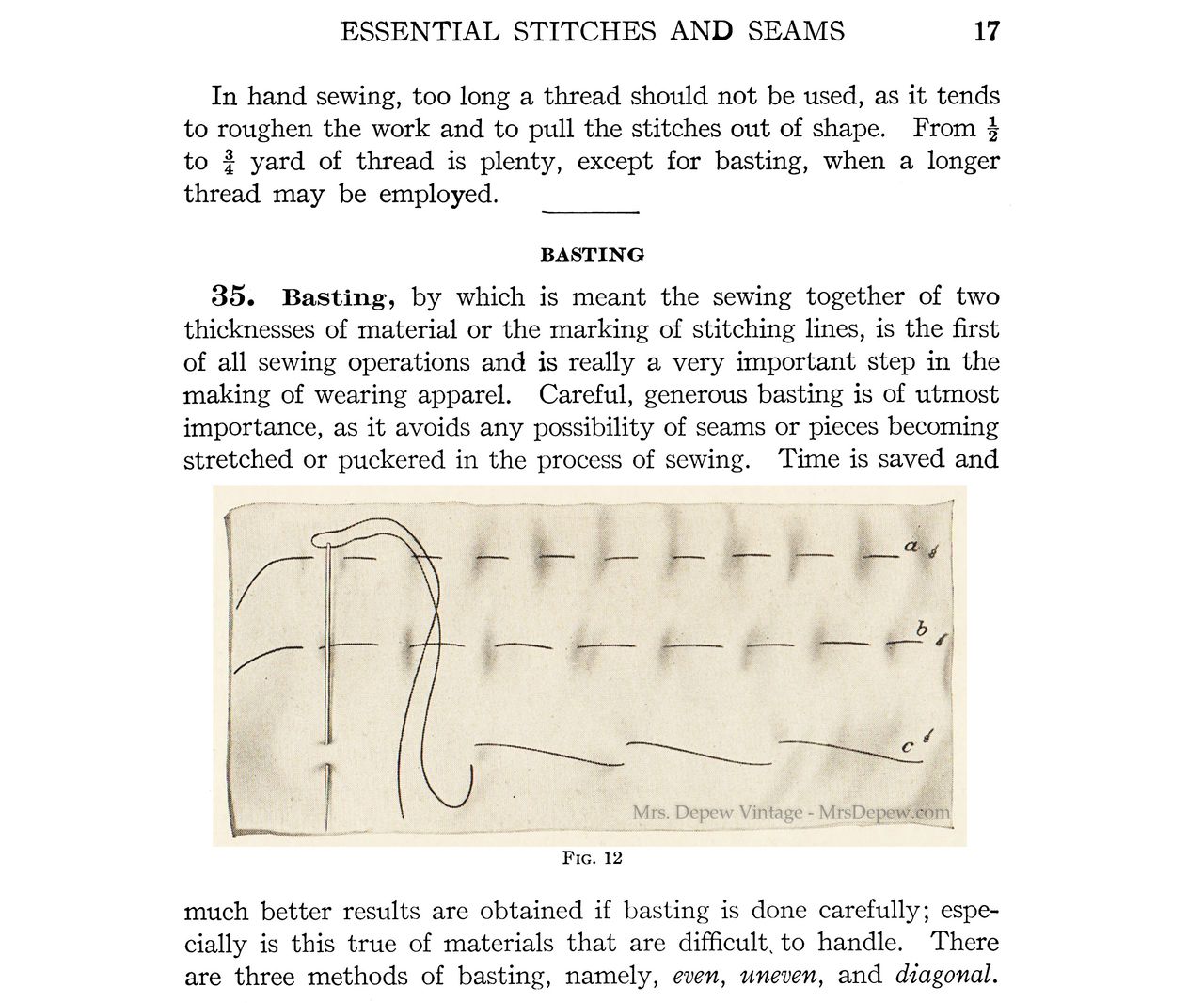
basting cotton. Cotton thread used for basting.
bat or batt. Woman's heavy, low shoe.
bate. In leather manufacturing, to steep in a bath, as is done with hides.
bateau neck. Boat-shaped neckline, high in front and back, pointed at shoulders.
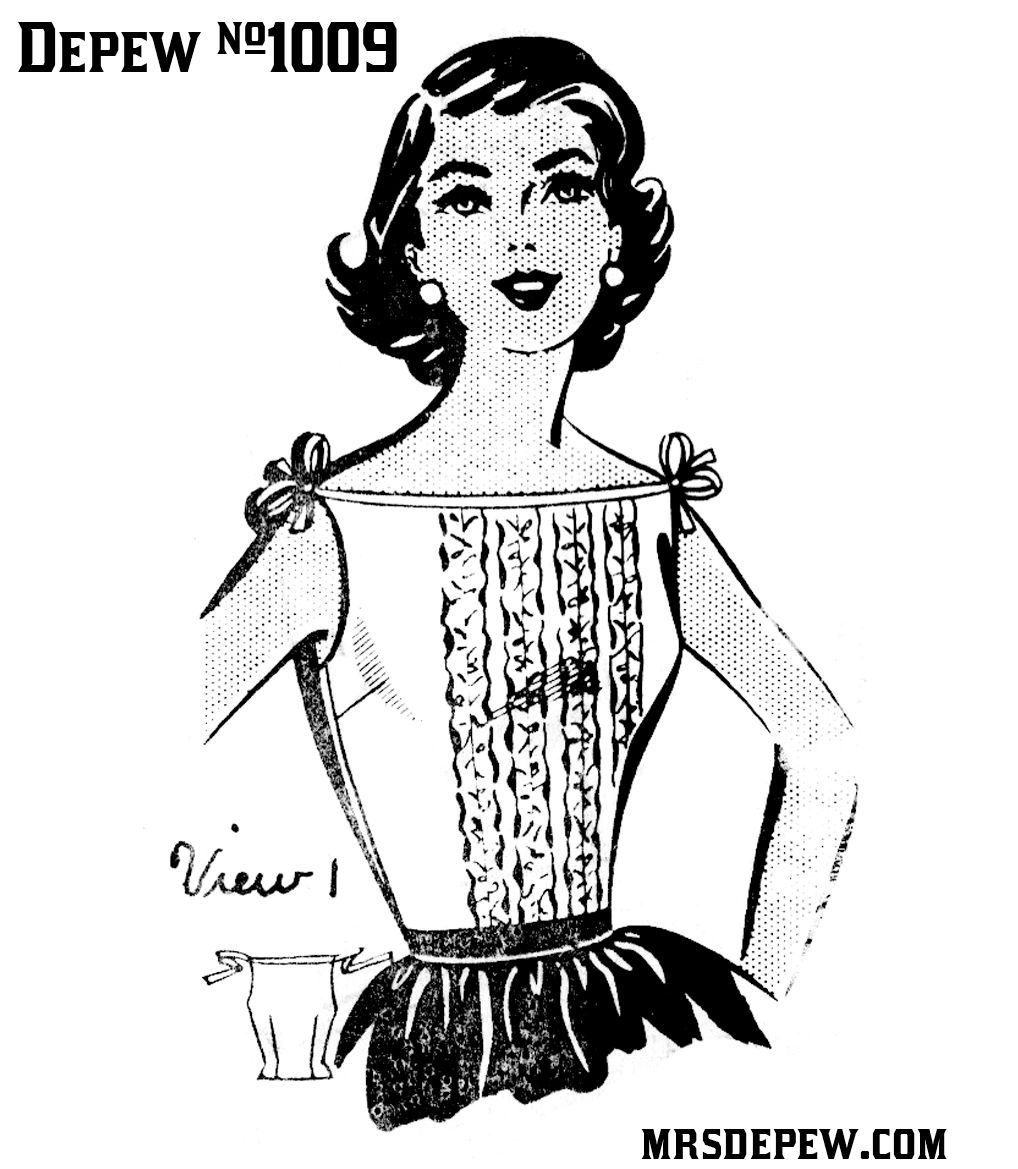
Bath coating. The English name for a lightweight, long-napped woolen fabric. Originally used as coating; now used for infants' blankets, petticoats, etc. Named for Bath, England.
bathing cap. Rubber or waterproof cap.
bathing suit. A garment or garments designed for wear in water.
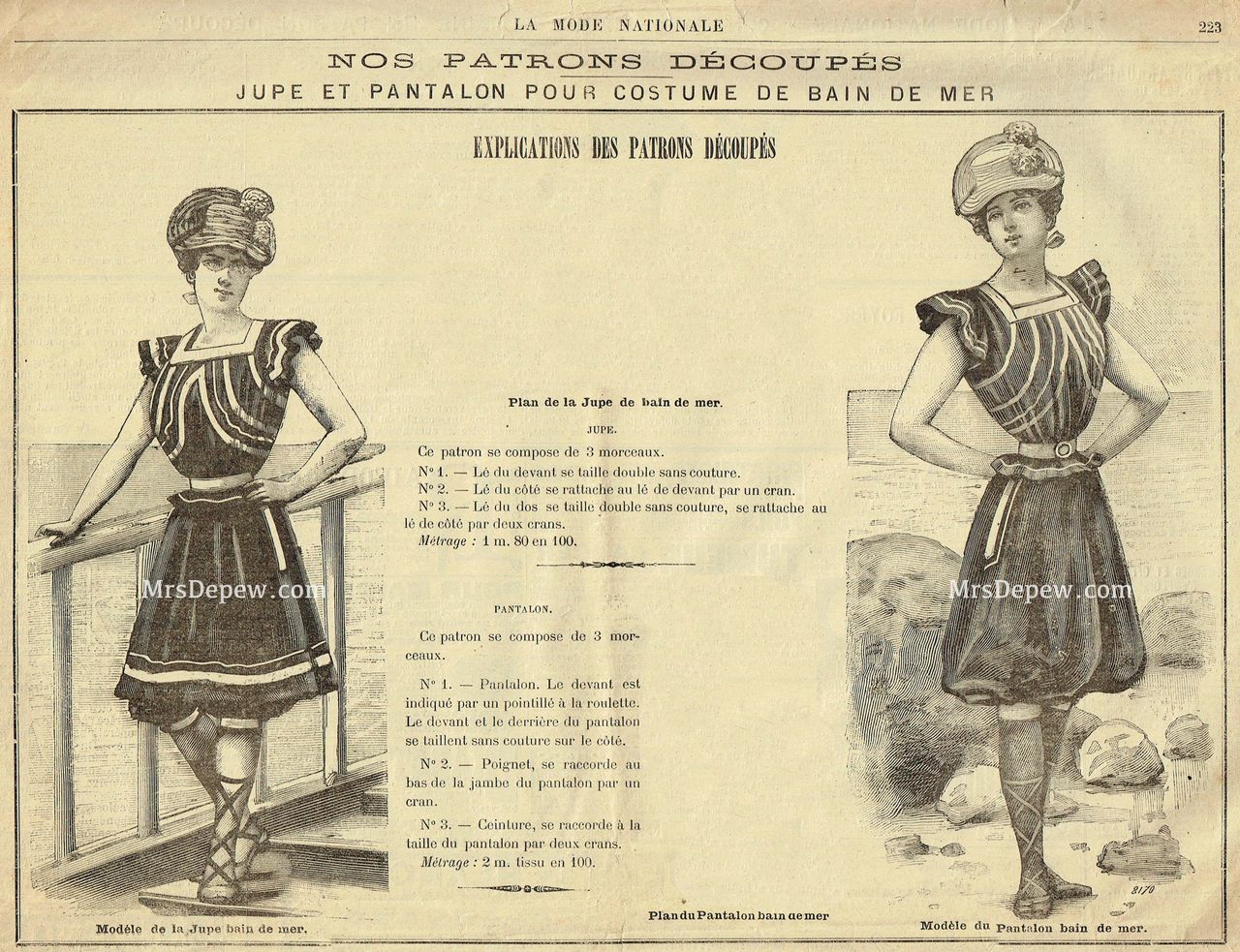
bathrobe. Full-length coat-like garment. Worn before and after bathing and as a dressing gown.
bath slipper. Slipper or sandal to slip on before and after bathing.
bati. French word meaning basting or tacking.
batik. Method of applying color designs to fabric. Also, the fabric so decorated.
batiste. 1. Soft, sheer, cotton or linen fabric of plain weave, made in white and delicate colors. Finer weaves used for handkerchiefs, lingerie, dresses, blouses, neckwear, clothing for small children; coarser weaves, for linings. Probably named for its inventor, Jean Baptiste, of Cambrai. 2. Light-weight, all-wool fabric with even warp and weft, thinner than challis, like fine nun's veiling. Called wool batiste, tamise cloth; lightest weight called chiffon batiste. Used for dresses, negligees. 3. Sheer, washable silk fabric, plain or figured, similar to silk mull. Also called batiste de soie. Used for summer dresses, inexpensive dress foundations.
batswing. Soft, napped, woolen, or cotton fabric, usually taupe. Used in England for coats and other garments. Originally, woven in tubular form for seamless petticoats.
Battenberg lace. A coarse form of Renaissance lace.
batting. Cotton or wool in sheets or rolls. Used for warm interlinings, quilts, puffs.
battlemented. Embroidery, applied trimming, cut-out border, etc., giving, with indented lines, effect of battlements on ancient fortresses.
batuz work. Embroidery with attached metal plates.
batwing sleeve. Long, shaped sleeve.
baudekin or baldachin. A rich fabric of gold warp and silk filling, introduced from East by Crusaders. Often brocaded, embroidered, jeweled. Used first as canopy or drapery for royal throne; later, for garments of nobility. Now, term used for any luxurious fabric with gold threads.
baum marten. Dark brown fur of pine or beech marten. FURS.
bautta. Hooded cloak.
Bavarian lace. Simple bobbin lace.
bavette. French word for bib.
bavolet. 1. Rustic French cap. 2. Trimming on the back of a hat or bonnet.
bayadere. Striped crosswise in multicolor design. Also, fabric so striped or stripe of such design.
bazaar. Market place; group of shops or stalls, also fair, where goods are assembled for sale; especially fancy wares, odd knickknacks, etc.
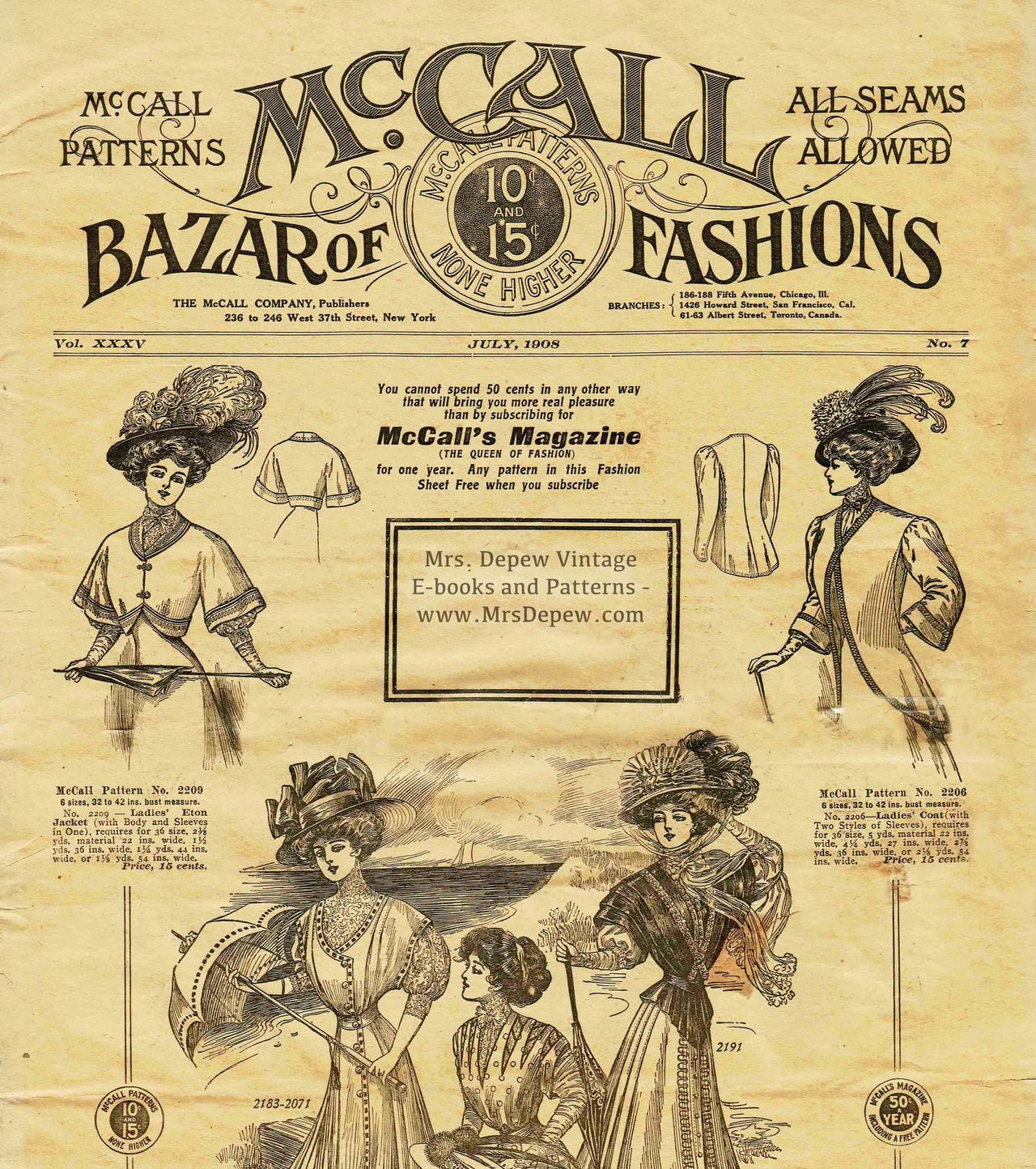
beach sandal. A sandal for beach wear.
beachwear. All clothes or accessories designed for wear on beach or in water.
bead. Perforated ball or cylinder or another shape, in any size or material, strung on thread or wire, or attached to fabric as a decoration; also, to apply beads, and beading.
beading. 1. Lace-like edging made in loops; also, open-work trim through which ribbon may be pulled. 2. Beads applied as trimming in a pattern or design. Seam Beading: Narrow insertion used to join seams or finish edges. Also called veining and entre-deux.
beading needle. Needle used for beading.
bead work. Beads that are sewn in a design to fabric or leather; the art of sewing beads into a design.
beam. 1. Part of loom consisting of wooden cylinder used for winding warp before weaving. Also, a cylinder for rolling cloth as woven. 2. In the leather trade, a frame or sloping board used for working skins in tanning. Also, to stretch cloth over; to wind yarn on; to dress hides on.
bear. Fur, or pelt, of various types of bear.
bearer. Roll of padding worn to distend skirt (a form of hoop).
bearskin. 1. Tall, black fur cap. 2. Pelt of a bear. 3. Heavy, shaggy woolen cloth. Used for overcoats.
beau monde. French phrase for the fashionable world; society. Silks Beau Monde was a brand name for a line of silk fabric manufactured by Marshall Field and Co. Also the name of the spice blend that makes my mother-in-law's egg gravy so darn delicious.
Beauvais embroidery. Multicolored embroidery.
beaver. 1. Soft, brown, durable fur of beaver. 2. Man's tall hat. 3. One of various fabrics. 4. Piece of medieval armor attached to helmet or breastplate, protecting lower part of face.
beaver cloth. 1. Soft-finished, thick-napped woolen fabric. Originally made in England to resemble beaver fur.
Used for overcoats and uniforms. 2. Pile fabric similar to hatter's plush. Used for millinery. 3. Heavy, napped cotton cloth. Used for work clothes, athletic clothes.
beaver-dyed cony. Processed rabbit fur.
beaverette. Beaver-dyed cony or rabbit fur.
beaverkin. Small beaver hat.
beaverteen. 1. Twilled cotton cloth with uncut, looped warp threads forming pile. 2. Variety of fustian of coarse twilled cotton, having nap, first dyed, then shorn.
beaver top. Shoe with soft upper.
beck. Pendant tip or lappet on medieval headdress, falling like a beak over the center of the forehead. Worn during the 15th century.
Bedford cord. Sturdy fabric in ribweave, with raised lengthwise cords. May be all wool, silk, cotton, rayon, or a combination of these. Similar in appearance to plain pique, except that pique is usually cotton. First made in America at New Bedford, Massachusetts. Used for dresses, suits, skirts, riding habits, and children's coats.
bedizen. To overdress or dress up in gaudy finery.
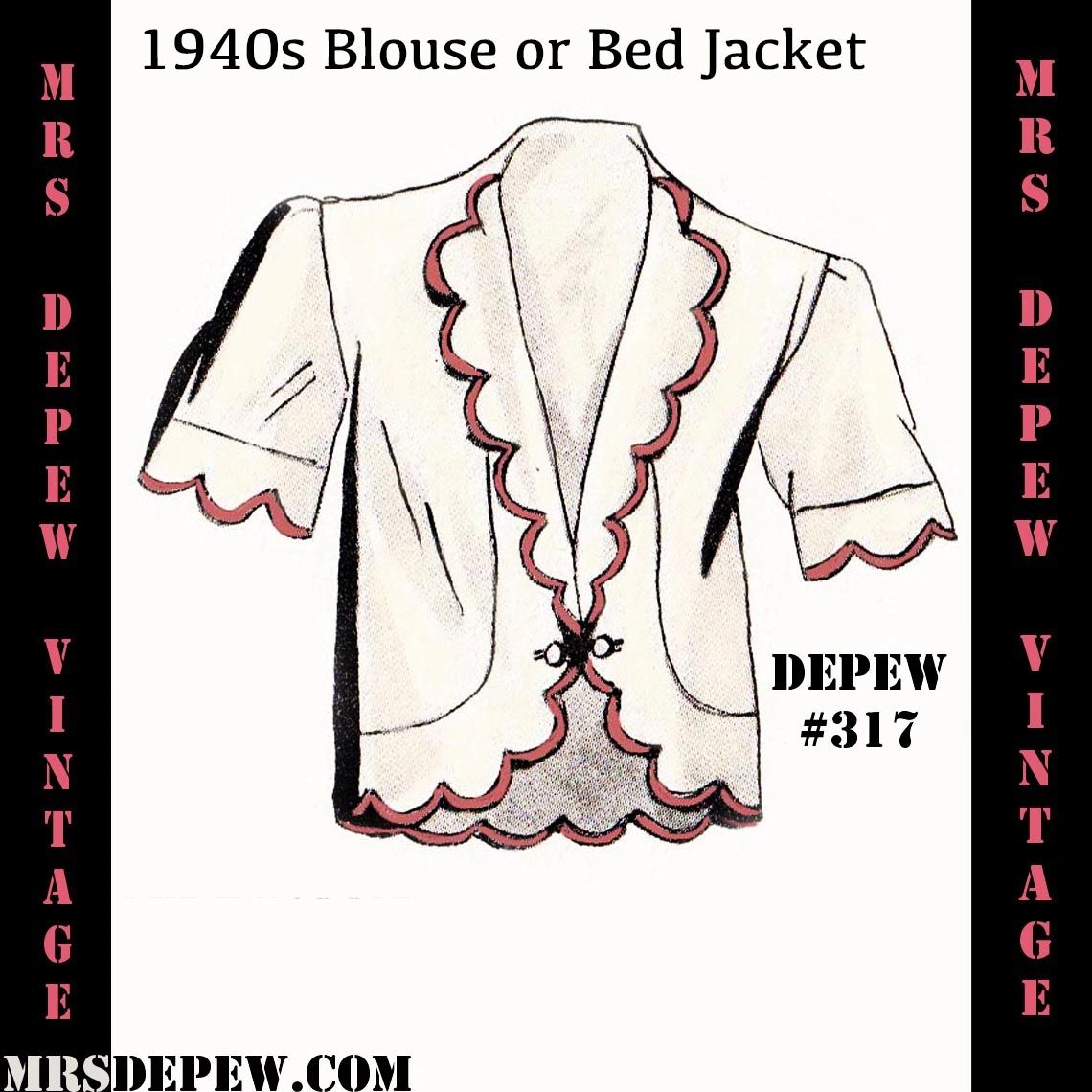
bed jacket. Short jacket for wear when sitting up in bed, or for shoulder warmth when sleeping.
bedraggled. soiled, ragged, rumppled, or otherwise untidy.
bedroom slipper. Soft slipper, usually bright in color.
bed socks. Soft, warm socks; usually ankle-high; often knitted. Worn in bed for warmth in winter.
beefeater's hat. A brimmed hat that is worn as part of the medieval uniform of the British Yeomen of the Guard, often called beefeaters.
bee-gum hat. Man's silk hat.
beer jacket. Straight box jacket.
beetling. Pounding fabric to give it a flat surface. The process is used on table damask in addition to calendering.
beetroot. The dark red shade of the beet.
beggar's lace. Type of torchon lace.
begird. To bind with a girdle or band.
beige. 1. Pale tan shade, the color of undyed, unbleached yarn. 2. Originally, the fabric of undyed, unbleached wool. French word meaning natural.
bejewel. To ornament or decorate with jewels.
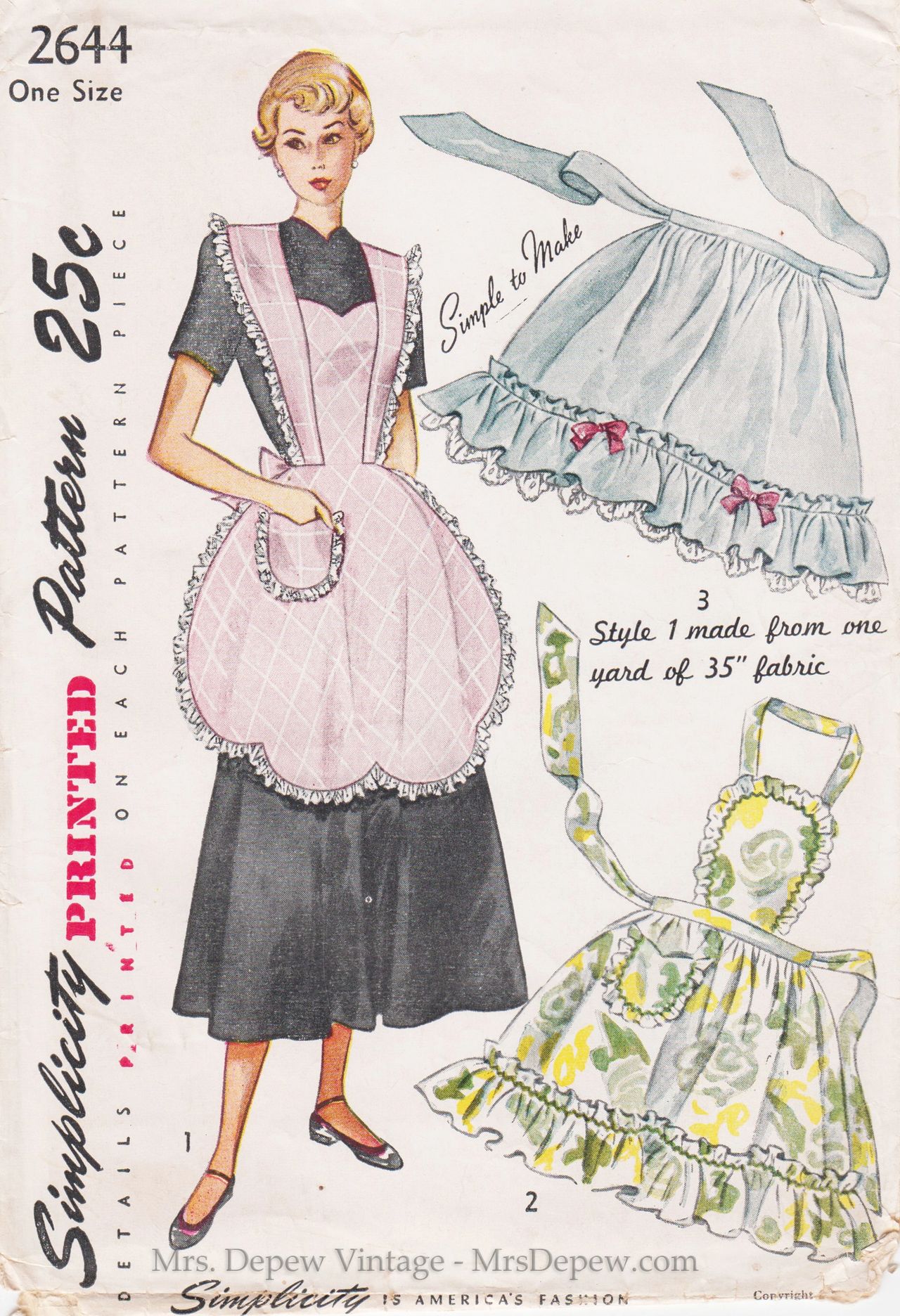
belaced. Edged or decorated with lace.
belcher. Scarf or necktie of garish color. Originally, a blue neckcloth marked with white spots having blue centers. Named for Jim Belcher, the English pugilist.
Belgian lace. An encompassing term for Antwerp, Brussels, Michlin, and Valenciennes laces.
Belgian blue. A shade of blue that was popular in the 1910s, and in 1915 in particular.
bell-bottom. A style of pants or jeans that flare out from the bottom of the calf and has slightly curved hems. Early versions in the 1960s had a hem circumference of 18 inches (46 cm) at the bottom of each leg opening. In the early 19th century, before standardized uniforms existed in the U.S. Navy, some sailors adopted a style of wide trousers ending in bell-shaped cuffs. This style was also common among European carpenters for centuries, as the shape of the leg prevented sawdust from falling into one's shoes.
bell-boy or bell-hop cap. Pillbox cap.
bell-boy or bell-hop jacket. Short, fitted jacket.
Bellmanizing. Trade name of the process for treating cotton fabrics to give them a permanent crisp finish without starch or other temporary dressing.
bellows tongue. The wide, folding tongue of blucher or various work shoes and boots, stitched in place at each side to keep the boot or shoe watertight.
bell-shaped hoop. Hoops of graduated sizes fastened one above the other, with the largest at the bottom and the smallest at the top.
bell skirt. Circular-cut, lined skirt.
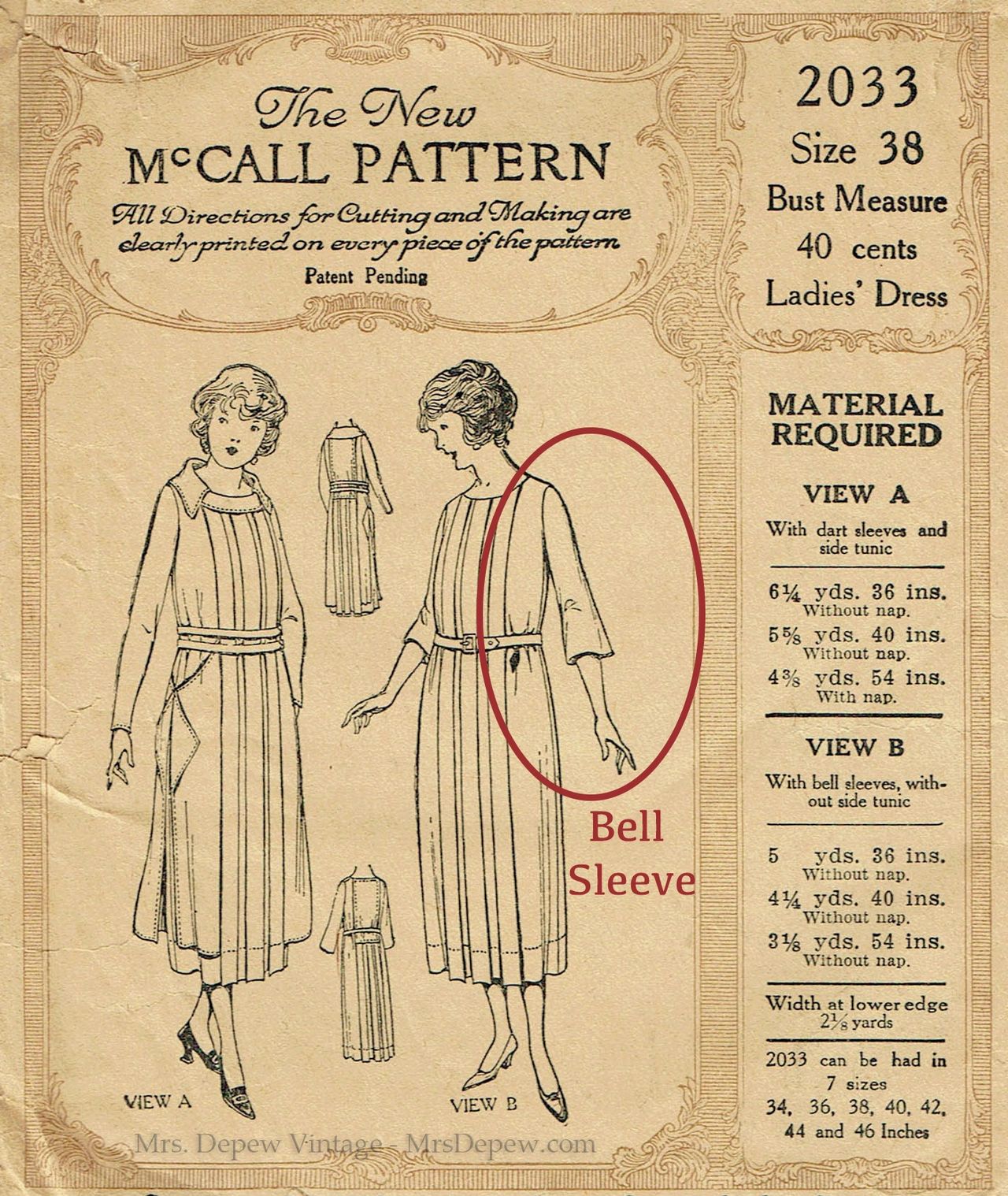
bell sleeve. A full sleeve, flaring at the bottom.
belly doublet. Doublet having stuffed or padded front. See Peasecod.
belly shirt. Another name for the crop top, half shirt, midriff top, or cutoff shirt that exposes the waist, navel, or abdomen. This garment became popular in the 1980s through the early 2000s and is now coming back into vogue as changing mindsets about body image make some more comfortable showing their midriff.
Comments (3)
"basané. A French word meaning sunburned, bronzed, or tanned." I think this will sound so much more elegant than saying that I'm burnt to a crisp after a day in the sun
Very cool, thank you!
Thanks for reading! I'm learning so much myself as I put together this blog series.