
New Blog Post Series - The Language of Fashion.
If I had a dollar for every time I've come across a sewing term, confusing color name, or strange word in my time preserving historical fashion documents, I'd have paid to build my own museum by now.
Wouldn't that be something?
Instead, as a student of language, I've been amassing a wonderful library designed around translating all of that new but cryptic text into something I, or any other seamstress might find useful.
This is why I've decided to start a blog series based on Mary Brooks Picken's hard-to-find volume The Language of Fashion, and on my own extensive word lists and research tools.
I have the first post finished with about 1/3 of the letter A covered so far. This might take a while...
You can find the full blog post with pictures here:
https://mrsdepew.com/f/the-language-of-fashion
Or just keep reading below! (Hopefully, those pictures will load into the right places.)
-----------------------
For your weekly dose of vintage fashion nerdiness, I present our new blog series, The Language of Fashion.
So without further ado, let's start with A.
aal. Dye, red in color, obtained from the root of an East Indian shrub.
aba or abba. 1. Square, sleeveless Arab mantle or cloak traditionally worn by men and women throughout the Arab world and neighboring countries. See WRAPS. 2. Cloth woven from hair of camels, goats, etc, Used for making aba mantle.
abaca. Fiber from leaf stalk of banana, commonly used in Philippines for making cordage, coarse fabrics, straw hats. The native name for Manila hemp.
abalone. Shellfish, iridescent shell of which is used for inlay, buttons, beads, buckles, and ornaments. Commonly called ear shell.
abb. 1. Warp yarn. A term used by weavers. 2. Inferior part of fleece around edge.
abbé cape. Tiered shoulder-cape. See CAPES.
abbot cloth. Rough, canvas-like drapery material in basket weave. Usually of cotton. Similar to MONK'S CLOTH.
abbreviate or abbreviated. Shortened or relatively short.
abnet. Long scarf or sash, usually of linen or linen mixture. Traditionally worn by Jewish priests.
abolla. Ancient Roman cloak. See WRAPS.
abrasion. The wearing down by friction of parts of the surface of a textile to form a design.
<figure>
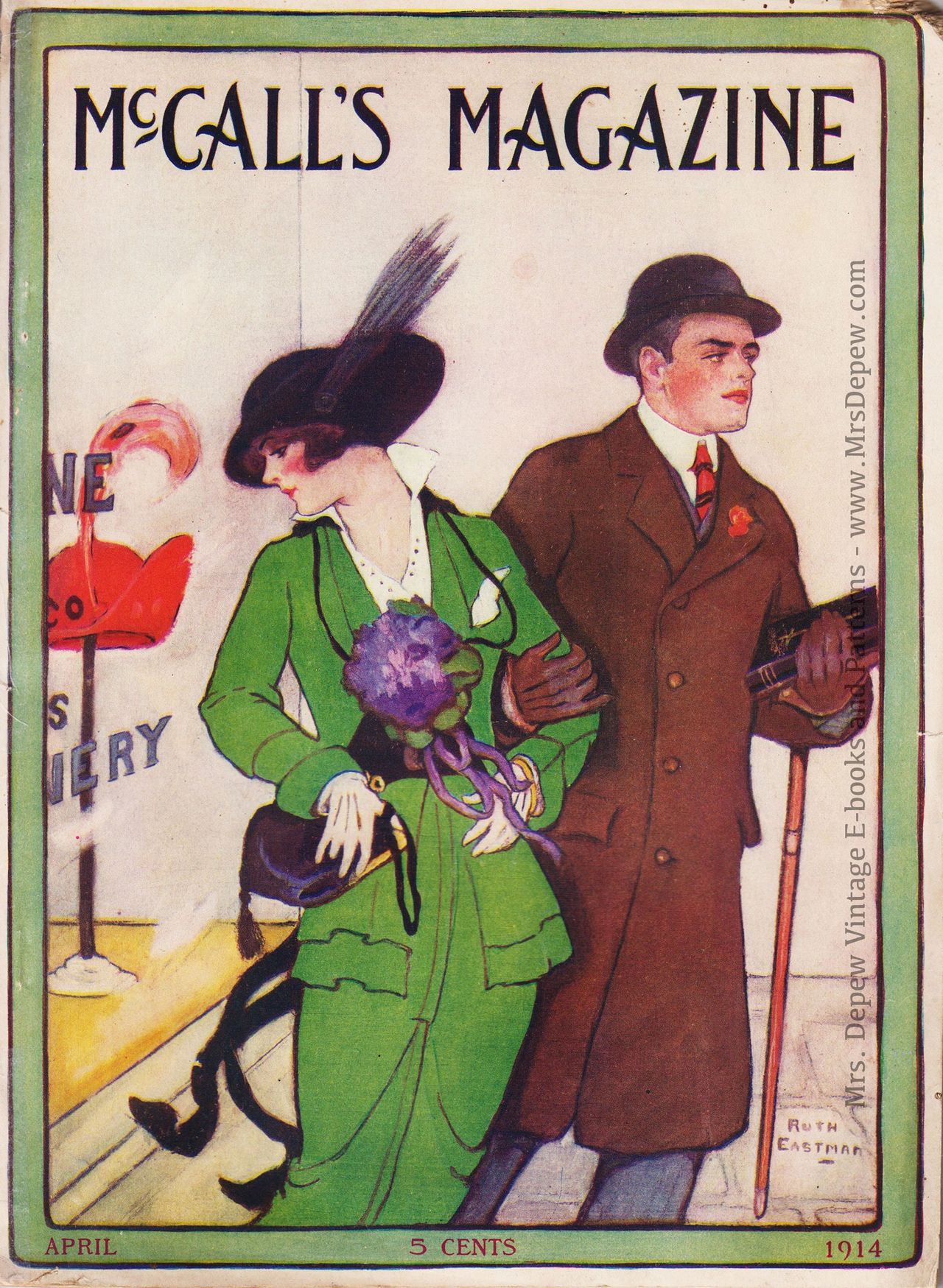
absinthe. Light yellowish-green shade, color of the liqueur.
absorbent cotton. Cotton batting without natural oils. Used chiefly for medical purposes.
academic costume. Characteristic dress worn by faculty, students, and graduates of colleges and universities, and by those on whom honorary degrees have been conferred. Costume varies with rank. Consists of long gown, generally black, with long, full sleeves; sometimes a hood draped across shoulders; and a cap or mortarboard. Color of hood denotes academic degree held by wearer. Costume also worn on official occasions by lawyers, clergy, etc.
acajou. French word for mahogany color.
acca. Medieval fabric made of silk mixed with gold threads. Probably made in Syria and named for Acre, Syrian seaport.
accent. Emphasis or prominence given to line or decorative color in costume.
<figure>
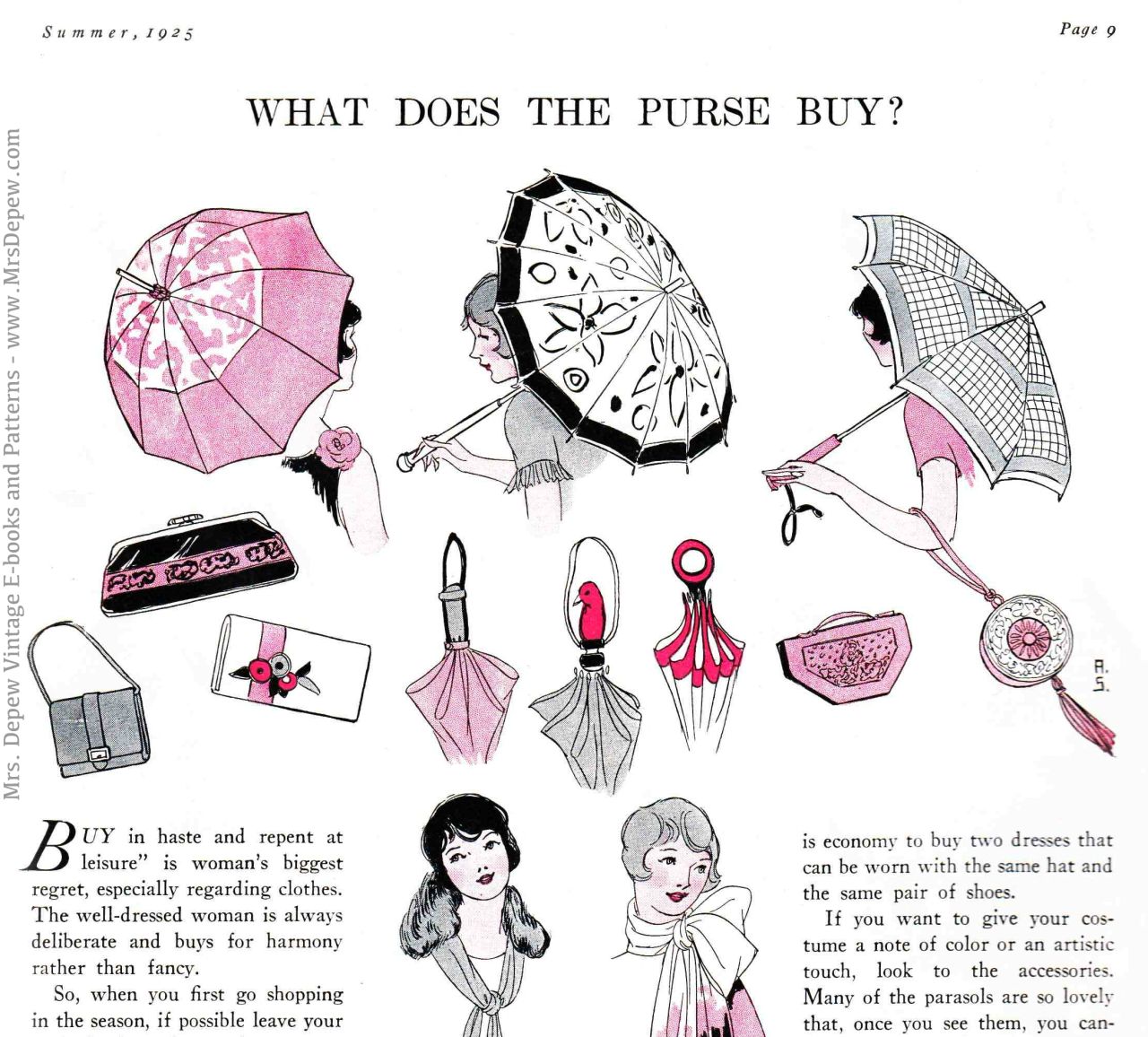
accessory. Article of apparel that completes the costume, such as shoes, gloves, hats, bags, jewelry, neckwear, belts, boutonnieres, scarfs; in trade usage, also negligees, corsets, lingerie, etc.
accollé. Entwined around or encircling the neck; collared; also, joined, touching, or overlapping, especially at the neck. Used of designs on coats-of-arms, shields, etc.
accordion plaits or pleats. Straight, narrow plaits.
accroche-cœur. French term meaning little flat curl of hair worn at temple; kiss-curl.
acele. Trade name for a brand of rayon.
acetate rayon. One of the three types of rayon manufactured commercially in the U.S.A as of 1939.
acock. Turned up; at an angle; cocked.
active sports clothes. Clothes suitable for active participants in sports events.
acton. Jacket worn as part of armor.
adamas. Very hard precious stone, often a diamond. Used in gem cutting.
adaptation. Garment similar to an original model, yet having definite changes.
adonize. To dress up, beautify, dandify.
adorn. To ornament, decorate; to add to the effect.
afghan. Soft, wool blanket, usually knitted or crocheted. Used as coverlet or worn as wrap.
afghan-stitch. Simple crochet stitch which produces plain pattern. Same as TRICOT-STITCH.
afternoon dress. Costume for daytime social functions.
agabanee. Silk embroidered cotton fabric, made especially in Syria.
agal. Decorative fillet usually made of two thick woolen cords wound with gold and silver threads. Traditionally worn by men and women throughout the Arab world and neighboring countries over the KAFFIYEH, to hold it on the head.
agamid. Strong inner bark of a Philippine plant. Used for making coarse cloth and rope.
agate. Striped or cloudy variety of chalcedony, or quartz. Used as ornament on accessories.
aggrape. Obsolete type of clasp, buckle, hook and eye. See AGRAFFE.
aglet or aiglet. Metal sheath or tag at end of a shoe-lace or ribbon tie, to facilitate threading. Much used in 16th and 17th-century costume. Later, any ornamental pendant; sometimes a small image. Also written aiguillet. From French word aiguille, meaning needle.
agnelin. French word for lambskin having wool left on in dressing.
agraffe or agrafe. Metal fastening device, consisting of a lever and an eyelet. Used on early armor and costumes. From early Norman word aggrape, meaning clasp, buckle, or hook and eye, as used on medieval armor. Still in use in 18th century.
agréments. French word for trimmings, ornaments.
aigrette or aigret. 1. Upright tuft of feathers or plumes of egret, or heron. See FEATHERS. 2. Something resembling feather aigrette, as a cluster of jewels.
aiguille. French word meaning needle.
aiguille à reprises. French word for darning needle.
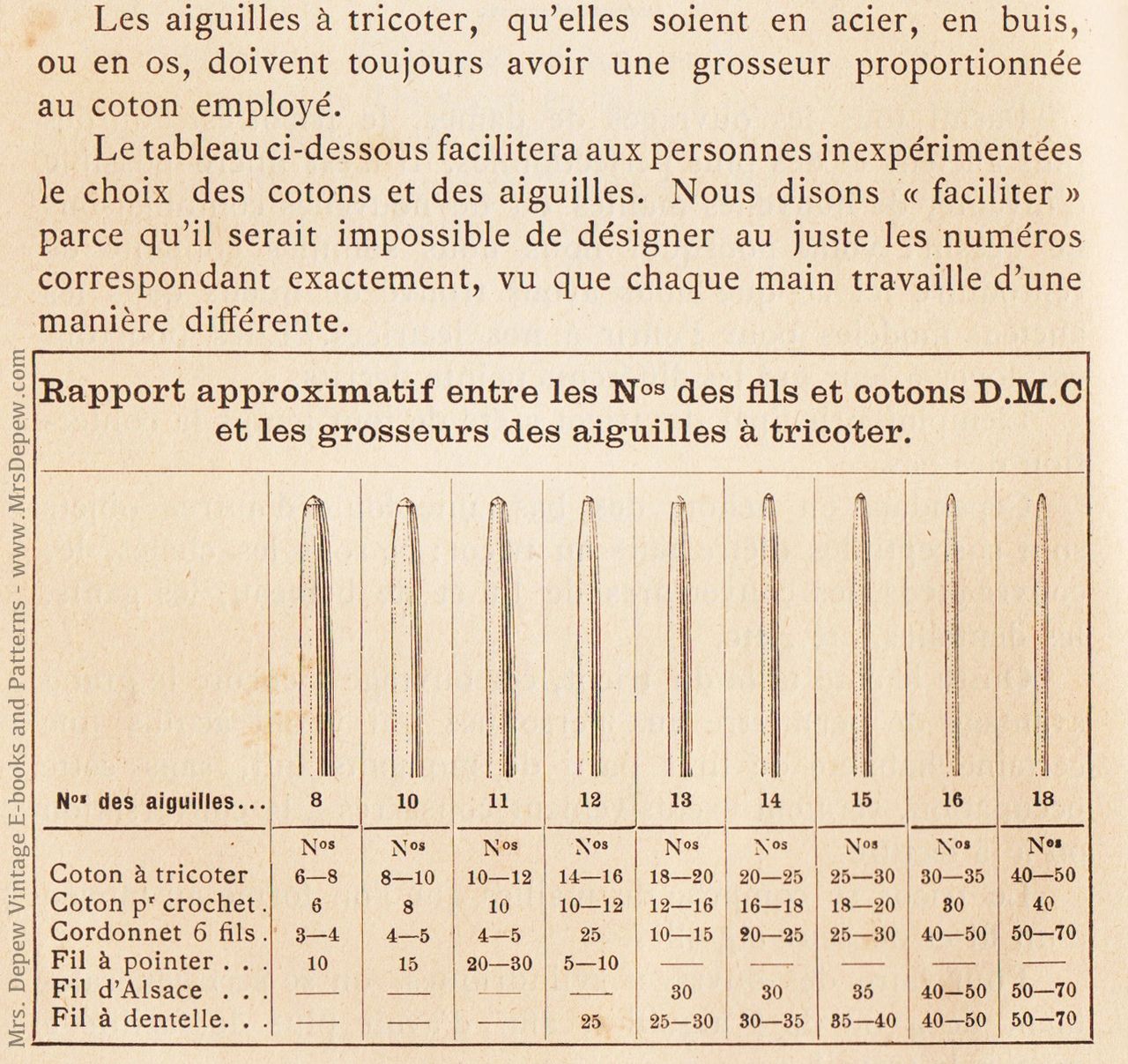
aiguille à tricoter. French word for knitting needle.
<figure>
aiguillette. Aglet or ornamental tag; also, trimming of looped cords, as on military and naval uniforms.
aile. French word meaning wing.
ailes de pigeon. Powdered side curls, as formerly worn by men. French term meaning pigeon's wings.
ailette. Protective shoulder plate of forged iron or steel. Worn as part of medieval armor. Original form of the epaulet, the wide, ornamented shoulder.
Air-conditioned. Trade name applied to cottons treated by chemical process to remove fuzz and thereby increase porosity.
airplane cloth. Firm-textured cloth in plain weave, originally made of unbleached linen for airplane wings. Since World War I made of cotton in varying weights and colors. Used for lightweight luggage, sports, and work shirts, etc.
à jour or ajour. Drawn work or other open work. French term meaning pierced or showing light through.
alabaster. 1. Fine-grained, translucent mineral substance, used for small statues, lamps, etc. May be white or various delicate tints. 2. Having texture or nearly white color of alabaster.
Sources:
The Language of Fashion by Mary Brooks Picken, 1939.
Textile Research Center - Leiden.
Fashion Service Magazine 1924-1925 - Woman's Institute of Domestic Arts and Sciences.
Encyclopédie des Ouvrages de Dames by Thérèse de Dillmont.