
Lovecraft Retrospective: The Thing on the Doorstep
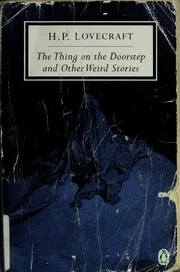
George Lea and I take a break from Baltimore, Maryland and head back to Arkham, Massachusetts, where we encounter H.P. Lovecraft's surprising late tale The Thing on the Doorstep. This is a fast and entertaining read with some very surprising subject matter for old HPL... a gory horror crime story featuring a subtextual queer gangbang and, buried under a lot of misogyny, perhaps a deep theme about the destructiveness of heteronormative patriarchy? He was funny chap.
Comments (3)
I don't have the same impression of Curwen's goals. It's only in the last ten years or so before his (first) death that he makes a serious effort to establish himself in Providence society, several decades after settling there. It seems to be a means rather than an end, being motivated by self-protection, in response to the mounting attention his sinister doings have been drawing, and accompanied by a simultaneous shift to a more discreet conduct of these. Before that, though he involves himself sporadically in civic life, he's mostly just doing his magical research and engaging in trade to supply victims for use in it and to fund his activities. Then it's only five years before his death that he perfects his necromancy, at which point he stops procuring living victims and starts gathering the remains of the dead people he wants to conjure and interrogate. The ultimate aims of that second programme of research by picking the brains of bygone sages and sorcerors are unspecified, but are indicated by Charles Ward in his letter to Dr Willett to be not petty but very grandiose: "Upon us depends more than can be put into words—all civilisation, all natural law, perhaps even the fate of the solar system and the universe."
Incidentally, that accumulation of suspicion produces another of Lovecraft's occasional accidentally progressive moments: in contrast to the widespread attenton attracted not only by the disappearance of sailors working for Curwen and passing soldiers he had spoken to, but also by his household's strangely excessive consumption of food and livestock, "not until modern times, when Charles Ward examined a set of his accounts and invoices in the Shepley Library, did it occur to any person—save one embittered youth, perhaps—to make dark comparisons between the large number of Guinea blacks he imported until 1766, and the disturbingly small number for whom he could produce bona fide bills of sale either to slave-dealers at the Great Bridge or to the planters of the Narragansett Country." No indication that Lovecraft really registered the implications of what he was saying, but they amount to a surprisingly cutting comment on the values of this society.
I'd love to hear you follow this up with The case of Charles Dexter Ward.