





🧣 21.3 Cloth and Cup
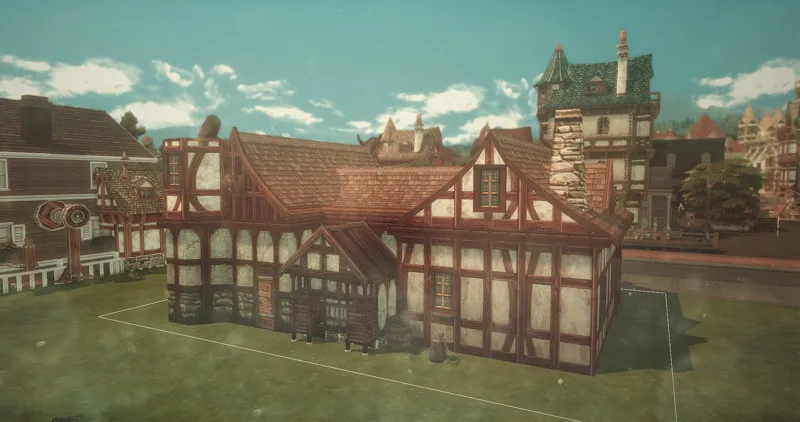
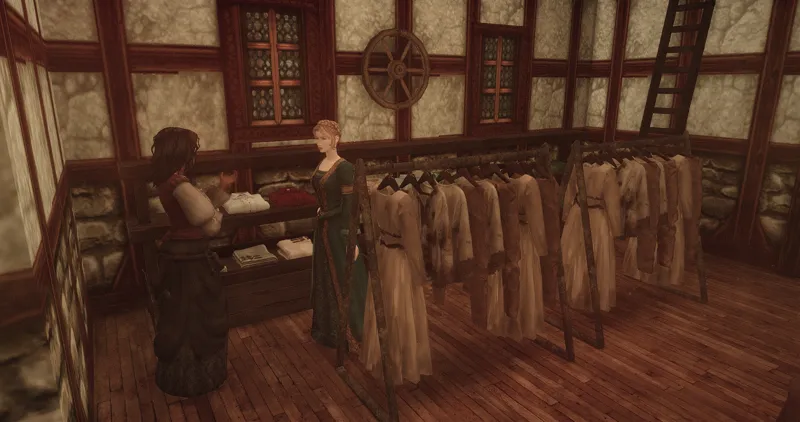
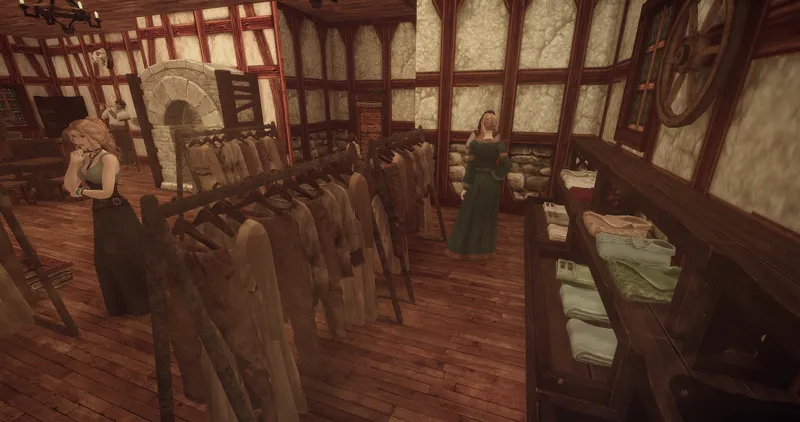
A small community space where you can buy secondhand clothes and stop by for a drink. Here, visitors can try on clothes, chat, and relax over a cup of sweet tea. A cozy spot for everyday get-togethers, shopping, and quick breaks throughout the day.
Comments (1)
Your work is beautiful and well done but it is not historical. The medieval era in Europe was not BROWN and GREY, it was colorful, the archaeological evidence from sites of dyers and tanners indicates an array of dyes across the spectrum. Wood work was polished, clean edged, delicately carved, not rough slabs and split boards. or hugely clunky: tables, chairs, and especially beds were often painted, even in yeoman homes. Most wind doors (windows) were covered with two materials, scraped hide, so thin that you could see out and copper wire grills to keep out insects. They did not dump their feces and urine in the streets, that was valuable fertilizer and was collected, as it was in China and the Mid-East, every day, and spread on the fields. Clothing was bright, as bright as it could be without aniline dyes, and although the reds and blues were not sun fast, and did fade over time, the greens, yellow, pink, maroons (verging into crimsons) were brilliant. Black was an expensive dye and was not commonly worn, although the immense wealth of the Clergy was clearly indicated in their black, red and white clothing, as well as the use of gold and silver in their habits. Leather was rarely dyed black, it was usually dyed maroon. I would LOVE to see some accurate Medieval mods and you are just the person to do it.