
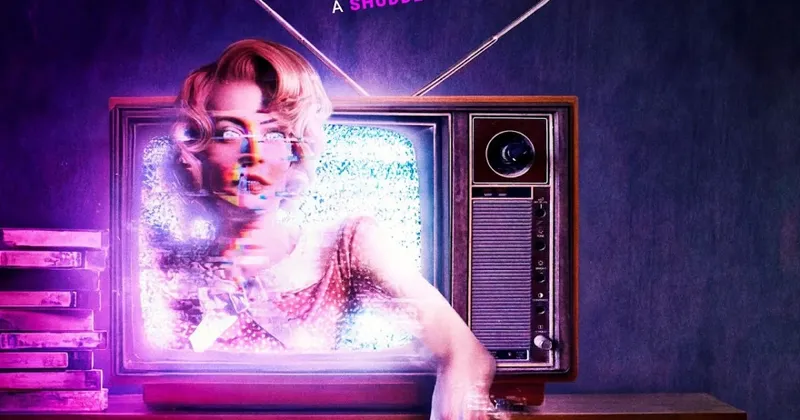
1000 Women in Horror (Donna Davies, 2026)
Alexandra Heller-Nicholas occupies an interesting place in the landscape of contemporary horror. She has been at the forefront of an academic movement treating horror and exploitation film as not just worthy of interrogation, but as important to interrogate as sociopolitical work. Moreover, she's made a career and a well regarded reputation among horror fans for challenging the conventional wisdom of yesteryear where these genres are concerned. She does this with deep research and a keen, incisive mind. I think it's fair to say the most concise expression of the perspective she's been bringing to these genres is that whether or not we think these films are trash, doesn't mean they don't have something to say about the cultures, time periods, the places and people who produce them, and whether we like or enjoy them aesthetically, it's still worth asking the questions about them that have been asked of "important cinema." That they deal with subjects and present us with things we find uncomfortable or taboo, doesn't make them trash. They might be trash, but they might be great art, and failing to ask the questions we would of more mainstream, acceptable art, means we would never know. Loving these genres, means treating them as important, but also coming to them critically too.
By doing this, along with her social media presence, appearances in different documentaries, on convention panels and the like, she's also opening the door to academic writing about film, for the horror crowd. She's been acting as a bridge between academia and popular horror, for more than a decade now.
In 2020, she published 1000 Women in Horror 1895-2018. For longer than the forty-nine years I've been on the planet, there's been a question hanging in the cultural atmosphere around horror, "Do women belong in horror, as fans or as creators?"
Heller-Nicholas book serves as a combination of compendium of the contributions of women to the genre, and a clarion call to women who want to work in the genre, saying, "You belong here if you want to, and you always have, because women have been, and will continue to be subjects of and to make great art." In way, writer/director/actress Brea Grant sums it up in the opening before the credits run, "You can't have horror without women. It's not possible."
This documentary, directed by Donna Davies, and featuring interviews with a wide array of women who work in horror cinema in different capacities,, follows the book in that sense. To it's credit, the thesis ends up giving the documentary the room to be honest about the experiences with the barriers and stigmas of sexism in the film industry, within the overall celebration of what women bring to horror. It's a structure and perspective which leaves the audience with a sense of excitement and curiosity to see something like parity in who gets to make horror cinema.
The documentary is broken into sections, corresponding with stages of human development and aging, from childhood into old age. This is a smart way to approach it, because it creates a degree of universality that also allows for the specificity of expression within it. The editing shines matching the subjects interviewees are addressing, with clips from various films in horror history. There's a point where actor/writer Kate Siegel is talking about having a c-section, and the way it's edited together with different footage is a standout. Between Siegel's delivery, the way it's edited, and the choices in clips to use, it turns into a demonstration of the documentary's thesis. It's interesting, confronting, horrific and entertaining, all at the same time.
Above all, it's a celebration of the creativity that is brought to horror as a genre from women's lives and experiences. It's a must see for horror fans and is likely going to be worthy of multiple viewings.