


How We Gathered Images for Crash Course Native American History
When sourcing images for Crash Course Native American History, we worked hard to gather footage from Indigenous sources. We contacted tribes or groups featured in the series for permission to include their images. So much of this history is much more recent than many people know! Sometimes when seeking permission for photos we were even able to get in touch with family members of the people we profiled.
To make sure that the images shown were in the correct context, we often consulted with Tribal Leaders, Tribal Historic Preservation Officers, or PR representatives to ensure the script that would accompany the images reflected their histories accurately and appropriately.
For example, for episode 14 we reached out to the Menominee Tribal Historic Preservation Office for permission to include some of their archival images and sent them the script that would accompany the images. They let us know that there were inaccuracies in the section detailing the specifics of how the government forced them into termination and helped us correct those errors. This is just one of many examples we encountered throughout this series of how Native American History has not always been told accurately, even in sources we’d typically trust!
Contemporary vs. Archival Footage
One of our goals with Crash Course Native American History is to illustrate that Native American History is not just history, but here and now. In that effort, we prioritized contemporary footage over archival whenever possible. When the material did call for archival footage, we leaned on our series advisors, subject matter experts, and fact checker to ensure that we made those selections responsibly. Our fact checker flagged any photos that should not be displayed for various reasons.
As an example, when we first began researching images for this series, we found a wealth of photographs from Edward S. Curtis, a prolific photographer of Native Americans in the late-19th and early-20th century. We were excited that so many photographs of so many different tribes existed, and that we’d be able to include such a broad representation of Native cultures in our series. However, our advisors taught us that Curtis is known to have staged his photographs and even manipulated his negatives to control the information he captured. Aside from showing false portrayals of Native cultures, his work also romanticized Native American life, ignored the harsh realities Native peoples faced during that time period, and promoted harmful stereotypes.
We knew that we should avoid early western illustrations of Native folks (because they’re quite obviously biased), but we had assumed a photograph would be more trustworthy. We learned not to take photographs at face value, but to scrutinize them as rigorously as we do with other forms of information. This was an invaluable lesson that will strengthen our standards for all Crash Course series moving forward.
Ledger art from Native artists was a great alternative way for us to illustrate Native American history without relying on archival photographs or western illustrations. You can learn more about ledger art in this post.
Black & White vs. Color Photographs
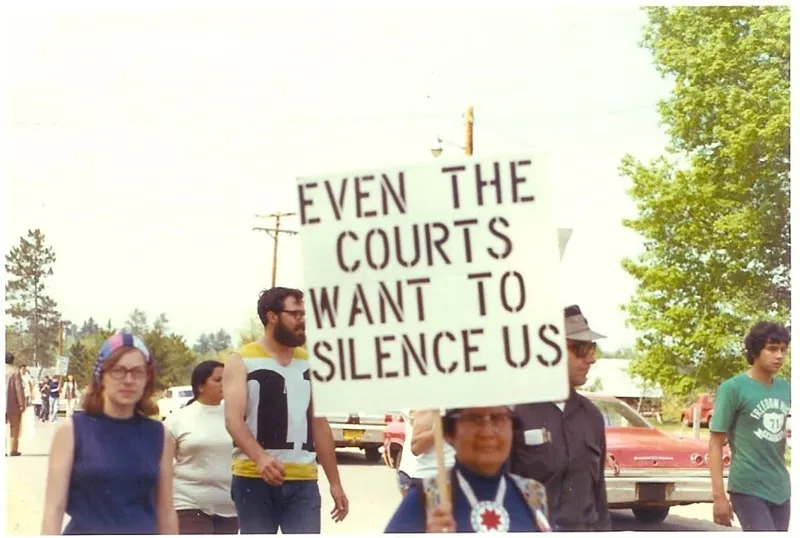
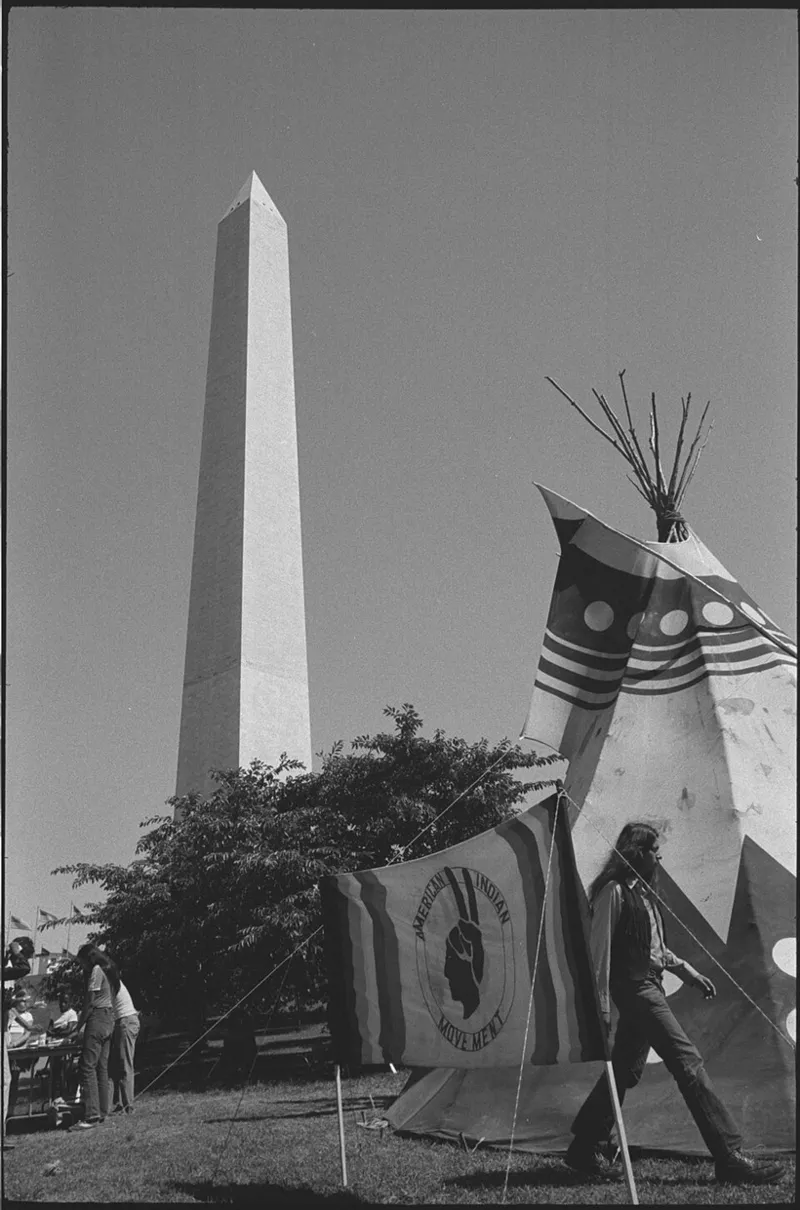
One thing we learned as we got further into the series is that black and white photos can perpetuate the myth that Native people are part of the past, not the present. In episode 1, we included a black and white photo of the Longest Walk (an American Indian Movement protest).
In later episodes we swapped in this one.
Both of these images are of the same event, but one feels like the distant past and the other much more contemporary. We couldn’t avoid black and white photos entirely, but we did prioritize color whenever we could find them.
Huge thanks to our patrons who help support us in this important work. This series has been so rewarding for us professionally as well as for personal enrichment, and we hope you're enjoying watching it as much as we've enjoyed making it! We have 19 episodes available already, with new episodes on Tuesdays.
Comments (3)
Thank you for sharing this context!! It’s fascinating.
Just got a "video unavailable message" when trying to access episode 19 on YT
Here ya go: https://youtu.be/-zwgHBrGxtk