



Coming Soon for Paying Members
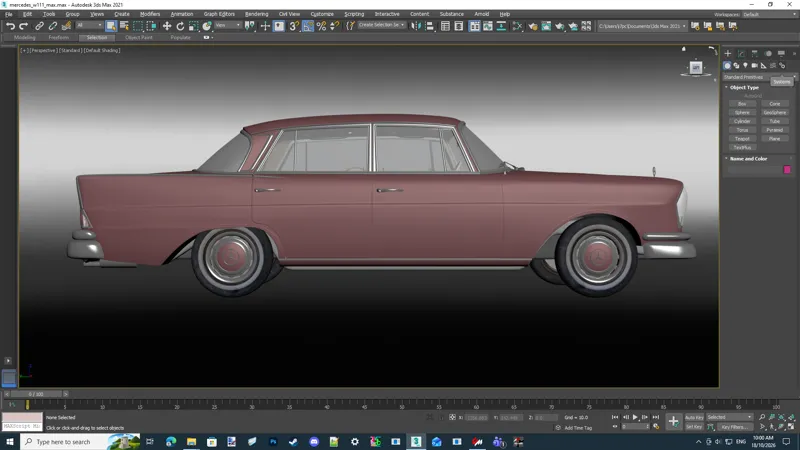
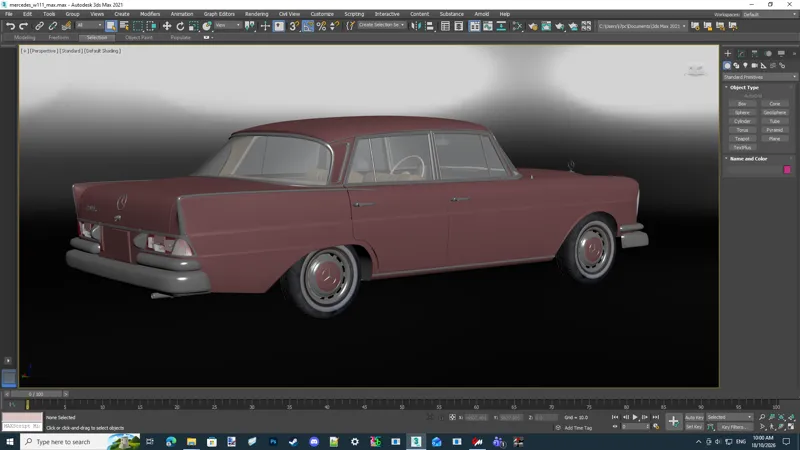
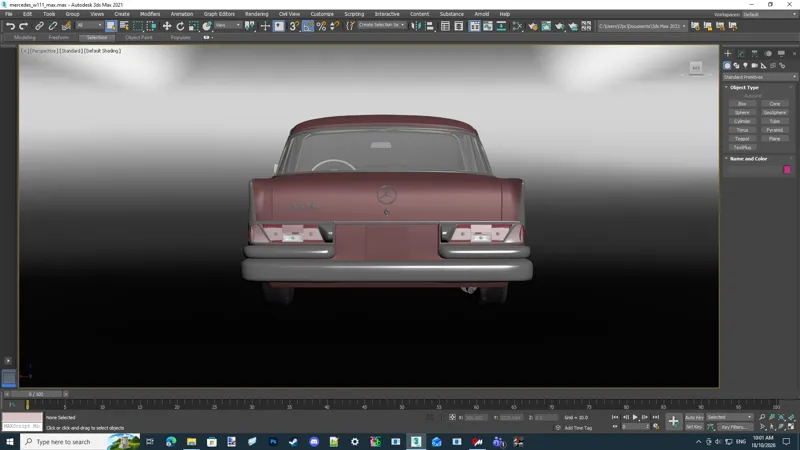
Mercedes Benz W111 220SE
This Car Raced in the 1960 and 1961 Phillip Island and the First car to do a 100MPH Lap at The Island.
Raced by in
1960 by John Youl and Gavin Youl
1961 by Harry Firth and Bob Jane
Bob Jane's decision to run a 220SE Finny in the 500 mile (800 km) event in 1961 would no doubt have been influenced by the runaway performance of a similar car in the inaugural 1960 Armstrong 500, driven by Tasmanian hot-shoes Gavin and John Youl.
Their family's 220SE was by far the fastest thing on the track in 1960, quickly building a two-lap lead in its class (and unofficial outright lead) before the track started to break up. Sadly the crumbling surface punctured one of its tyres at high speed and the 220SE speared off the circuit and rolled out of the race after 66 laps.
For the 1961 Armstrong 500, the number of competing classes based an engine capacity had been reduced from five to four, comprising up to 1000cc, 1001-1600cc, 1601-2600cc and over 2601cc.
And there was no official outright winner in those days. It was only about class wins, with the chequered flag waved when the first car to complete 500 miles (800 kms) crossed the finish line. And no single driver could drive more than 300 miles (480 kms) of that distance, in a gruelling contest that typically ran for eight hours or more.
Bob Jane's Autoland car dealership, which for many years included a Mercedes Benz franchise, entered one 220SE for Bob Jane and Harry Firth in Class B and another for the returning John Youl and new co-driver Lyn Archer. However, only the Jane/Firth car would start the race (the second entry was a late withdrawal) and was clearly the Class B favourite.
Given the 220SE's successes in European rallying at the time with minimal modifications, the rugged German sedan was ideally suited to the Armstrong 500's emphasis on showroom standard vehicles.
Any competing car had to be manufactured or assembled in Australia and a minimum of 100 had to have been sold and registered for road use to be eligible.
All cars also had to complete the first 100 miles (160 kms) of the race without stopping for fuel, oil or a driver change. And if any mechanical trouble occurred during that time, the driver had to get out and fix it himself without any assistance from his pit crew.
It was hot and windy on Sunday November 19, 1961 when the meagre 26-car field departed the grid in four class groupings separated by 10 second intervals.