
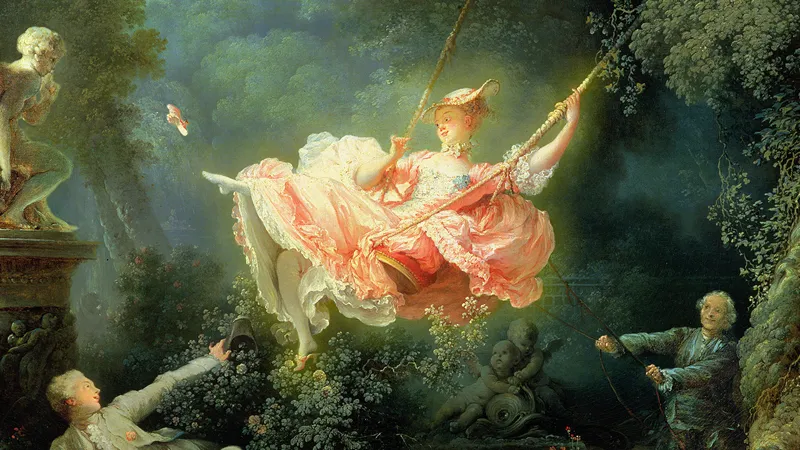
This Famous Painting Has 7 Dirty Secrets
Gonna try branching out into discussions of painting. Hope you enjoy! Recommendations for other paintings invited. Thanks friends.
Comments (10)
A great and novel topic! Would love to hear your thoughts on The Course of Empire paintings by Thomas Cole, or the Isle of the Dead paintings by Böcklin. This might be a stretch, but in the movie Troy, Brad Pitt's Achilles beheads a statue, which reminded me of the headless statue in Cole's Destruction painting, and the ghostly, deserted planet in Alien: Covenant very much reminded me of Böcklin's eerily still-looking wooded temple.
The loss of the shoe as the loss of innocence interests me. Does that link with the fairy tale of Cinderella?
Hmmm, never thought of that. But I'd say it's a strong possibility. Come to think of it, I'd imagine the loss of ANY female garment was probably seen as a loss of innocence lol
HAHAHA here goes my shoe, too. Loved this one! Thanks!!!
I love that you’re extending to cover other forms of storytelling. I’ve never managed to progress beyond Level 1, so appreciate the guidance on how to look deeper into the painting’s meaning
Thanks, I guess I'm kind of testing the limits of what my channel can cover at the moment. Painting is definitely a new one, so it's great to hear some people are into it.
I like your painting "experiment", hope for more. I can't help with Nick's queries, but do have a suggestion. Rococo is so, well, back there. Might you consider something more modern. The very first that comes to mind is the wonderful (but contra-factual) Star Wars poster (e.g. https://tidalwave.agency/wp-content/uploads/2015/11/star-wars-a-new-hope-episode-iv-original-poster-art-1977-style-a-brothers-hildebrandt.jpg) but there must be many many others not further back than Monet.
Funny you mention that, cause I did have the thought of doing that when I covered the Hildebrandts in my Artwork of Middle Earth video.
This is a fascinating dive into the story of this painting. Given all the hidden meaning, I have a few questions in mind regarding the work of art, but the one that rises to the surface is: does the painter (storyteller) condone the actions or have any moral message he’s trying to send. With all the scandalous imagery and the reactions of the statues, dog, and “husband” that we might assume it’s a judgement of her actions. I would argue, however, that even though these elements are present, because they recede into the background they are being shown as less important. To argue it another way… if the painting wanted to cast harsh judgment on them, he might have hidden her in shadow or dirtied her up. So, does the painter think this both scandalous and exciting? Sort of a 18th century YOLO. I’m curious what others think.
I think, like most artists, the painter wanted to get paid, so he did what the customer wanted. Assuming that the man on the left was the patron, he looks a lot more attractive and interesting than the husband (or cleric) on the right; people having affairs generally feel quite pleased with the situation, and glad to be succeeding over the wishes of the legal partner, so all the indications of disapproval or surprise would likely be part of the fun of having such a painting in the first place.