
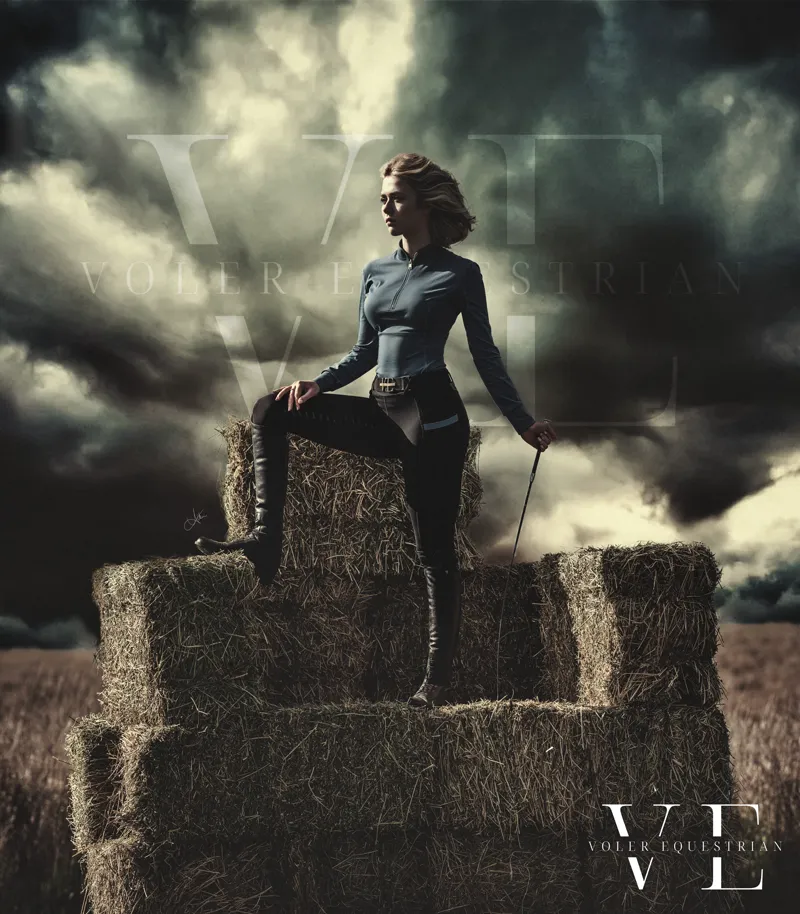
Storytelling through your images
As photographers, we strive to convey a message through our images. However, achieving this goal requires a comprehensive understanding of the various elements that contribute to the overall impact of an image. In this article, we will explore the key elements to consider when attempting to tell a story through your images.
Firstly, it is imperative to identify and capture a clear subject that immediately captures the viewer's attention. This subject should be the focal point of the image and should effectively convey the message you want to share with your audience. You can employ techniques such as selective focus or leading lines to draw the viewer's eye to the subject, ensuring that it stands out prominently.
In addition to a clear subject, the composition of the image is also critical in conveying a message. The composition should be structured and deliberate, reinforcing the story you are attempting to tell. Techniques such as framing, symmetry, or the rule of thirds can be useful in creating a visually compelling image that supports your message.
Lighting is another critical element that can significantly impact an image's story. The use of light and shadow can create depth and dimension in your images, as well as set the mood and tone. Using different types of lighting, such as natural or artificial light, can help create the desired effect.
The background and surroundings can also play a crucial role in telling a story. It is essential to choose a background that complements your subject and supports the story you are trying to convey. Consider using elements in the background to provide context or to add depth to the image. Staging can also be used to elevate the story you are trying to tell by adding props or placing your subject in a specific environment.
In conclusion, conveying a message through photography requires a comprehensive understanding of the many elements that contribute to the overall impact of an image. By considering the subject, composition, lighting, background, and surroundings thoughtfully, you can create powerful images that effectively convey your message to your audience.
Thank you for reading, and I hope that this article provides valuable insights that will help you tell your stories through your images. As an experienced photographer, I have come to appreciate the immense significance that even the smallest details can have on the overall quality and composition of an image. With years of practical experience and in-depth knowledge of photography techniques and technologies, I have developed a keen eye for detail and a deep understanding of how to create high-quality photographs that stand out from the crowd.
When it comes to taking landscape shots, one of the first items that I examine is the positioning of the horizon. I pay attention to the levelness of the horizon and ensure that it is straight and even, as even a slight deviation from level can result in an image that feels unbalanced and unappealing to the viewer. By ensuring that the horizon is level, I can create a more visually harmonious composition that is more pleasing to the eye.
In the case of portrait photography, I always pay close attention to the presence of catch lights in the eyes of my subjects. These are small, bright reflections of light that appear in a person's eyes when the lighting is positioned correctly. By ensuring that my subjects' eyes have catch lights, I can create a more dynamic and engaging portrait that is more likely to capture the viewer's attention. Catch lights can be created using various lighting techniques such as using a reflector or positioning the light source in a specific way.
In addition to these specific details, I always pay close attention to the quality and direction of light when taking photographs. By adjusting the angle and intensity of the lighting, I can create different effects and moods in my images, depending on the intended message or tone. I also pay attention to the color temperature of the light, which can affect the overall mood and tone of the image.
Finally, I also pay attention to other small details, such as ensuring that a horse's bridle buckles and keepers are evenly positioned in an equestrian photograph. These small details may seem insignificant, but they can help to enhance the visual appeal and professionalism of the image.
By paying close attention to even the smallest details, photographers can elevate the quality and impact of their images to new heights. The tips outlined in this article can be applied to a wide range of photographic styles and genres and can help to ensure that your photographs stand out from the crowd and capture the viewer's attention.
Thank you for taking the time to read this article, and I hope you found the information presented here helpful and informative.