

June 22, 2023
TOP TIP FRI-NEIGH
Composition Techniques for Captivating Images
In this week's edition of Top Tip Fri-Neigh, we'll explore some fantastic composition techniques specifically tailored for equine photographers.
Whether you've been capturing the beauty of horses through your lens for years or are looking to further refine your skills, these tips will help elevate your equine photography and create stunning images that leave a lasting impression.
So, let's saddle up and ride right in!
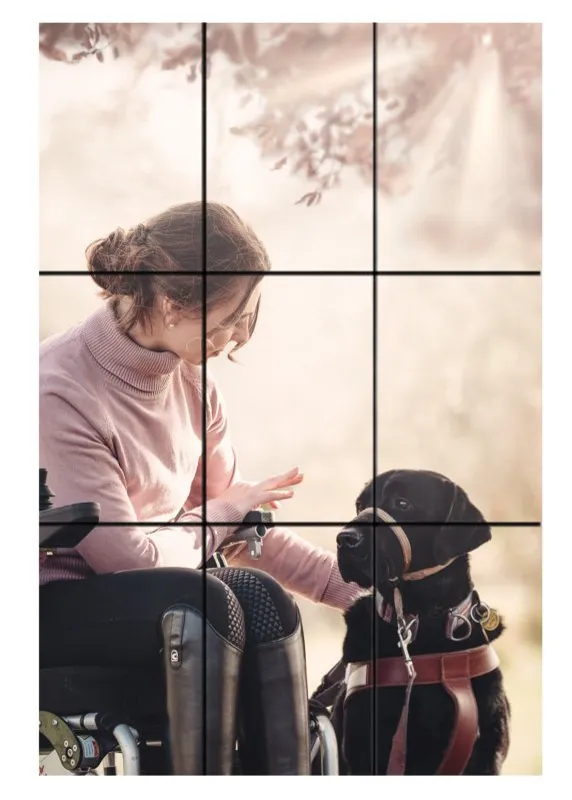
1. Rule of Thirds: Divide your frame into a 3x3 grid and position your horse's key elements, such as the eyes or the rider, along the gridlines or at the intersection points. This classic technique adds balance and visual interest to your composition, creating impactful images.
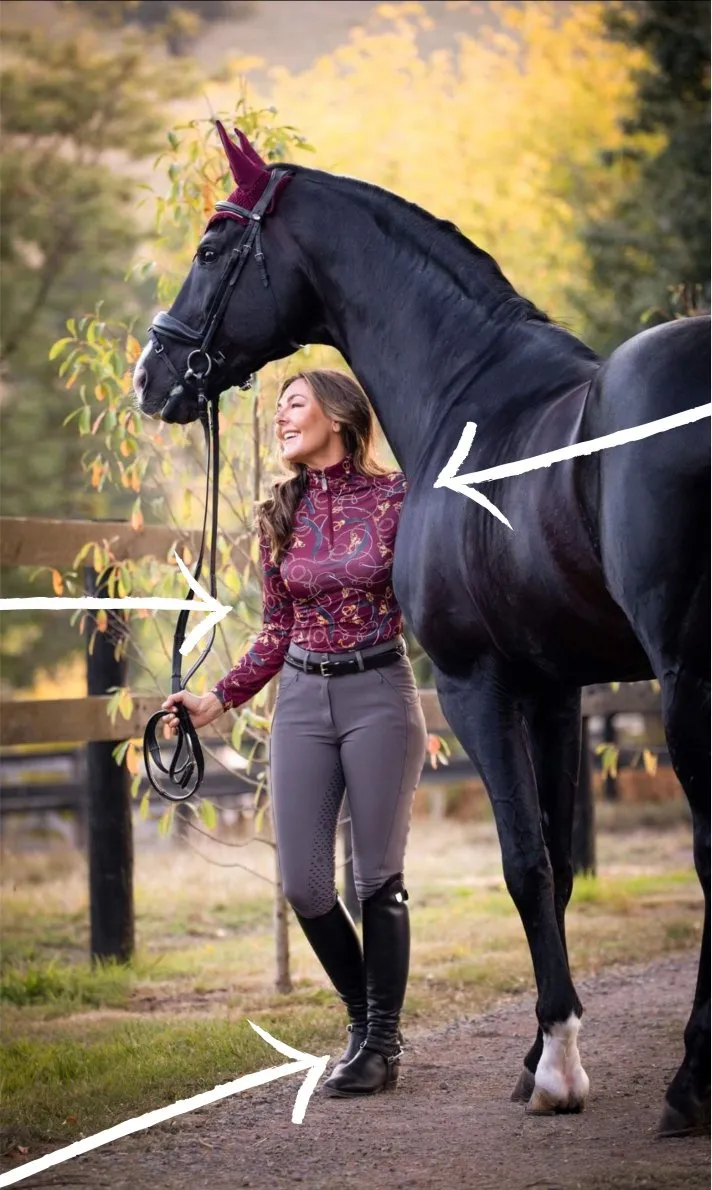
2. Leading Lines: Seek out natural lines or elements within the environment that can guide the viewer's eye towards the horse. Be it a fence, a path, or even the curve of the horse's neck, these lines add depth and draw attention to your main subject, creating a compelling visual narrative.
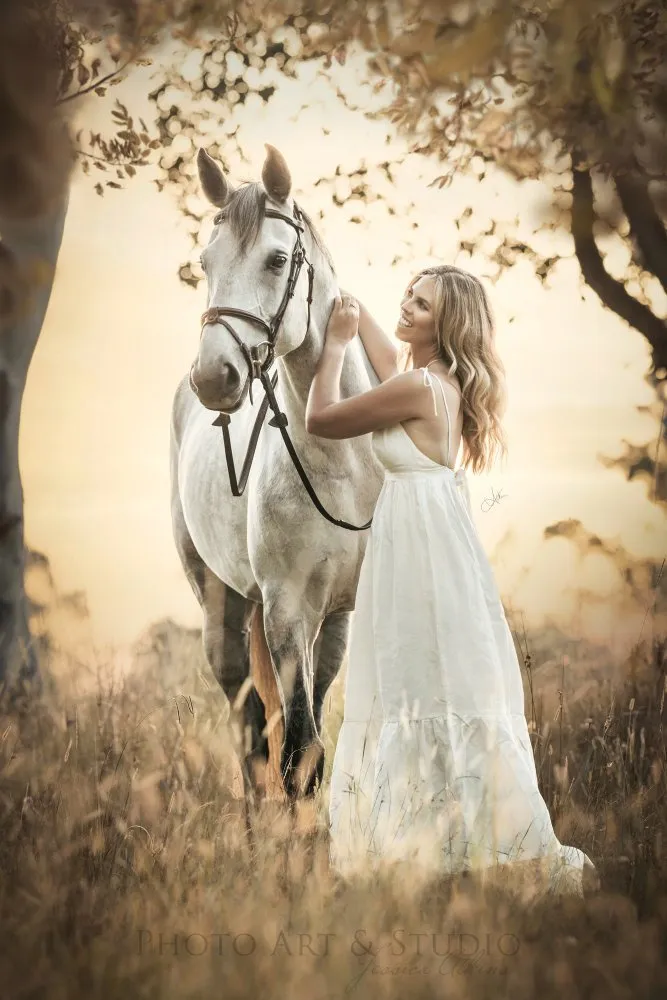
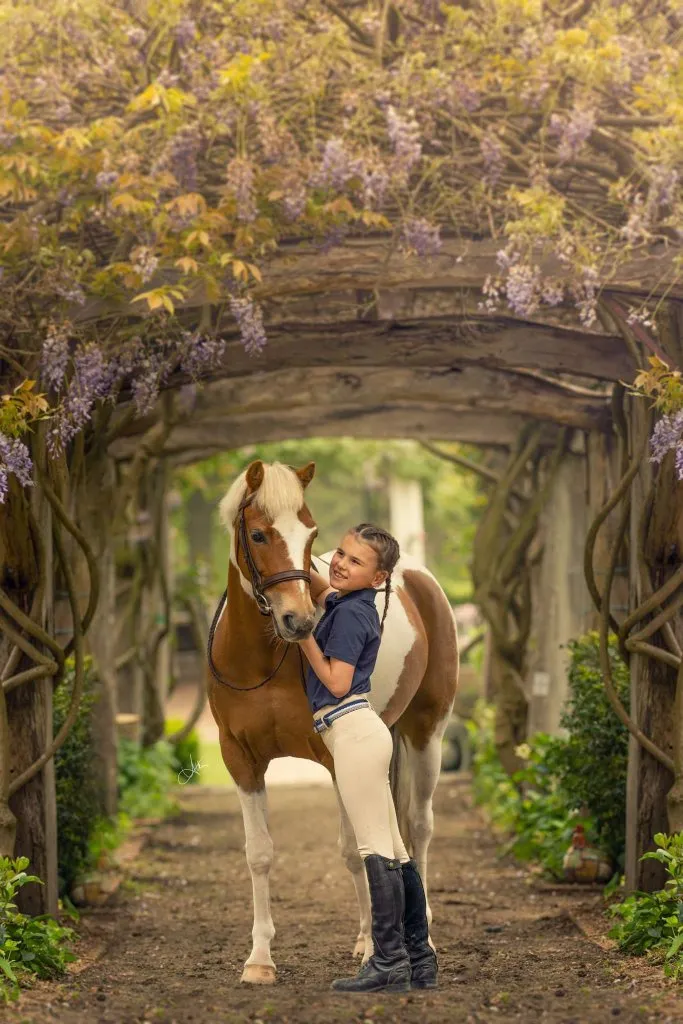
3. Framing: Utilize natural elements to frame the horse and emphasize its presence. Whether positioning the horse between two trees or using a doorway or archway as a frame, this technique adds depth and creates a sense of intimacy, capturing the essence of the horse within its surroundings.
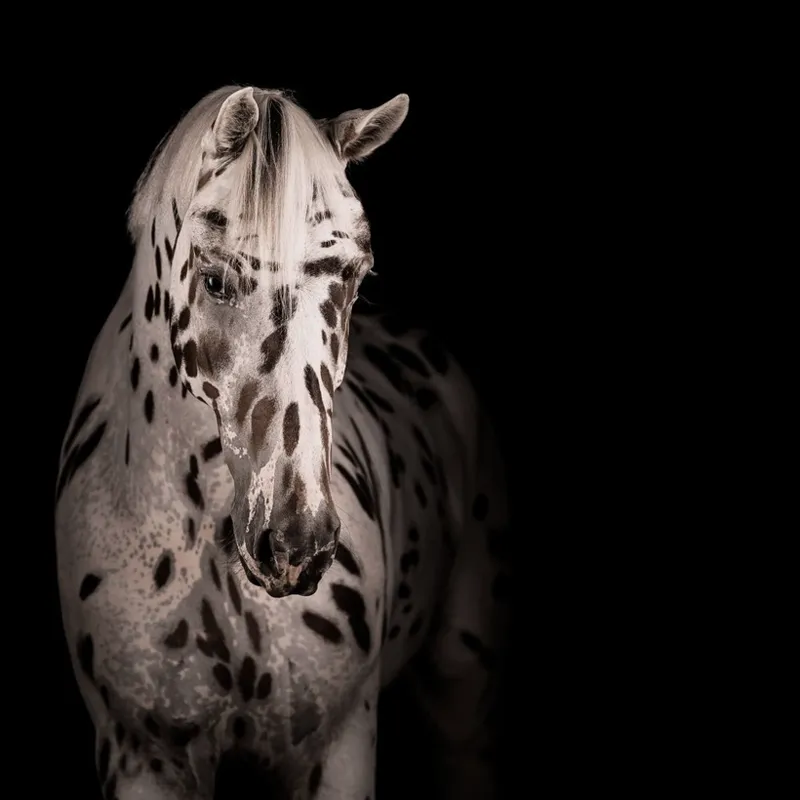
4. Negative Space: Embrace the power of simplicity by incorporating ample space around the horse in your composition. This technique, known as negative space, draws focus to the subject, evoking a sense of freedom or serenity and allowing the horse to take center stage.
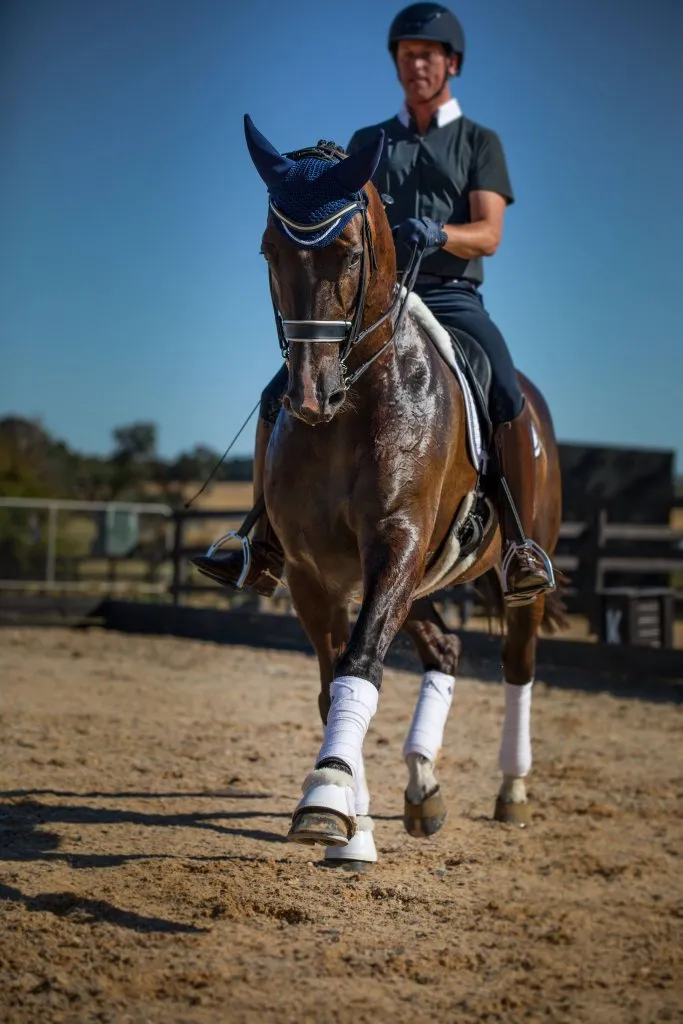
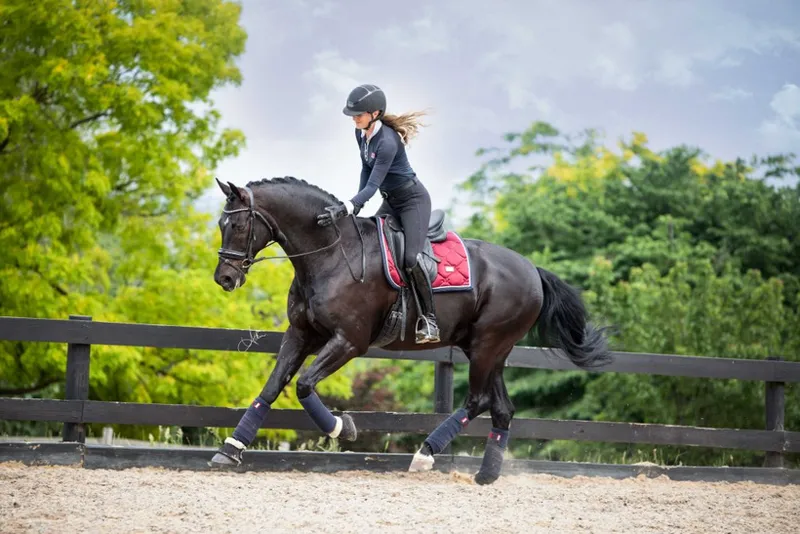
5. Action and Dynamic Angles: Experiment with various angles and perspectives to infuse energy and excitement into your shots. Capture the horse in mid-action, whether it's jumping, galloping, or playfully interacting, and explore low angles or distance shots to showcase the horse's strength and grace.
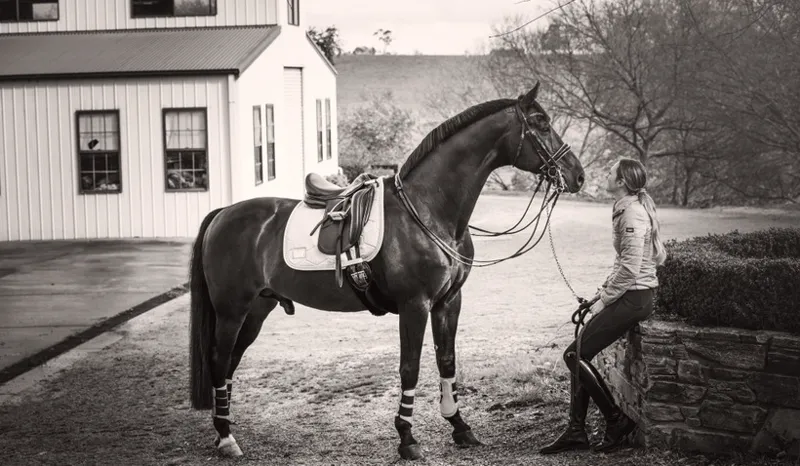
6. Environmental Context: Integrate elements of the horse's environment to tell a comprehensive story through your photography. Whether shooting in a barn, a pasture, or amidst other animals, these contextual elements add interest and depth, enhancing the overall composition.
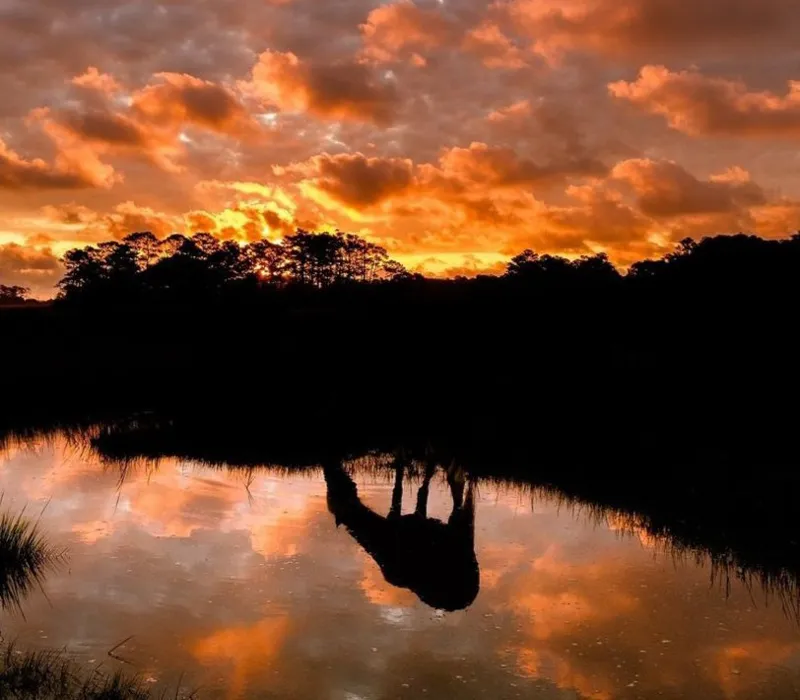
7. Use Reflections: If you have access to a body of water or a reflective surface, incorporate it into your composition. By capturing the horse's reflection, you can add an elegant and symmetrical effect, further enriching your images.
8. Rule of Space: When photographing a horse in motion, leave space in front of the horse within the frame. This technique conveys a sense of movement and allows the viewer's gaze to follow the horse's direction or gaze, creating a more dynamic and engaging photograph.
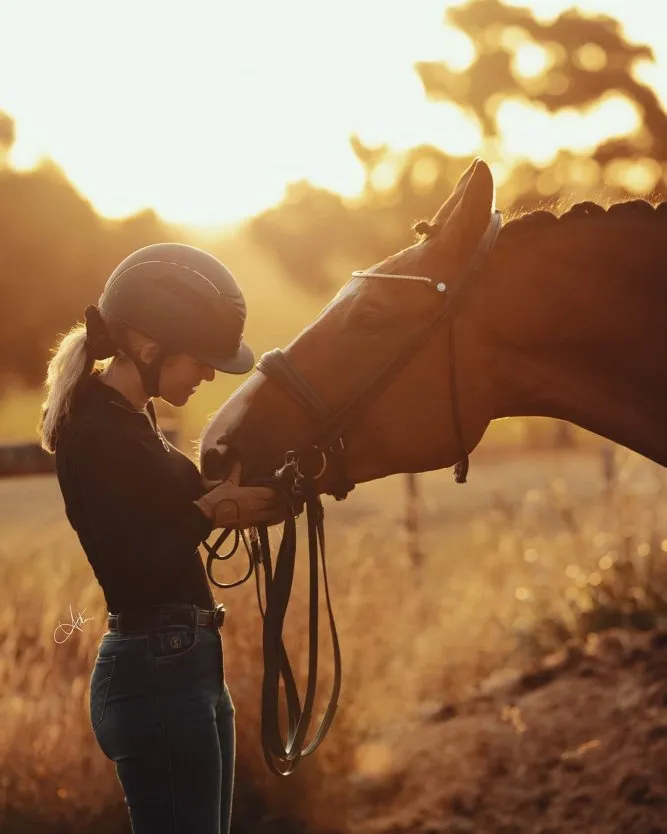
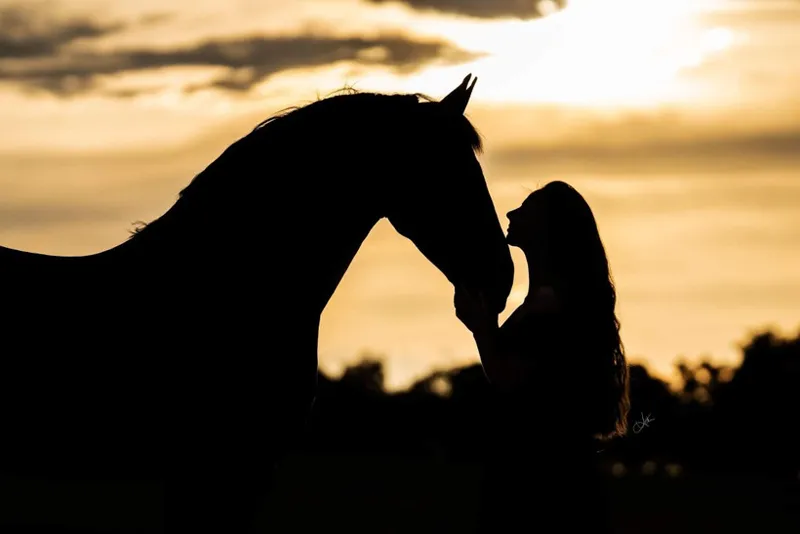
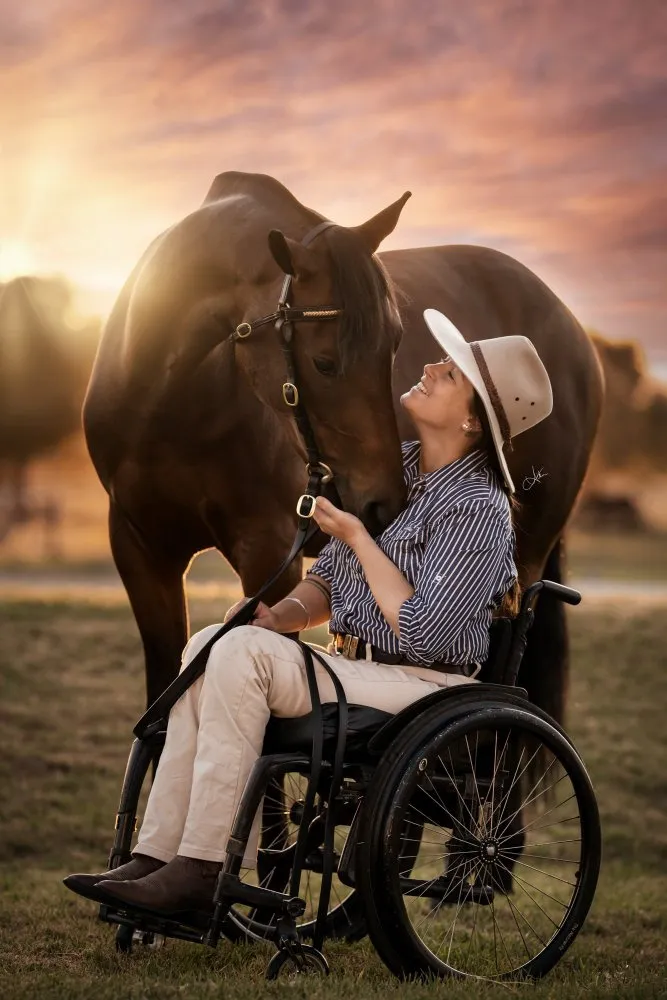
9. Golden Hour and Backlighting: Take advantage of the soft, warm light during the golden hour, either early in the morning or late in the afternoon, to imbue your images with a magical ambiance. Additionally, experiment with backlighting techniques to create a beautiful glow around the horse, emphasizing its form and creating captivating visual effects.
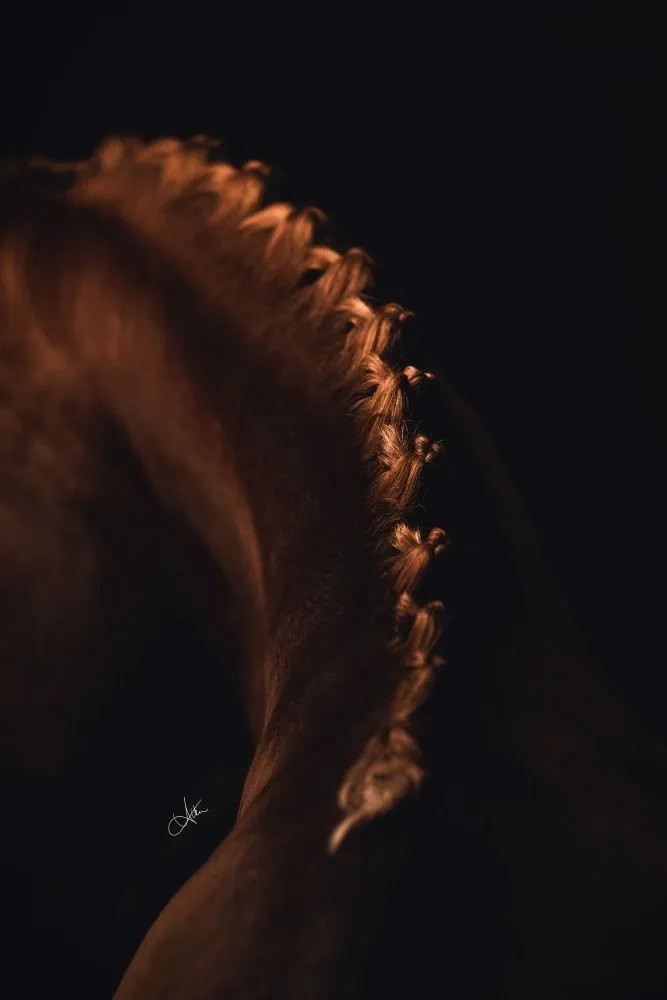
10. Focus on Details: Zoom in on specific details of the horse, such as the mane, eyes, or hooves, to highlight their unique characteristics. This technique adds intimacy to your images, allowing you to showcase the intricacies and textures that make each horse special.
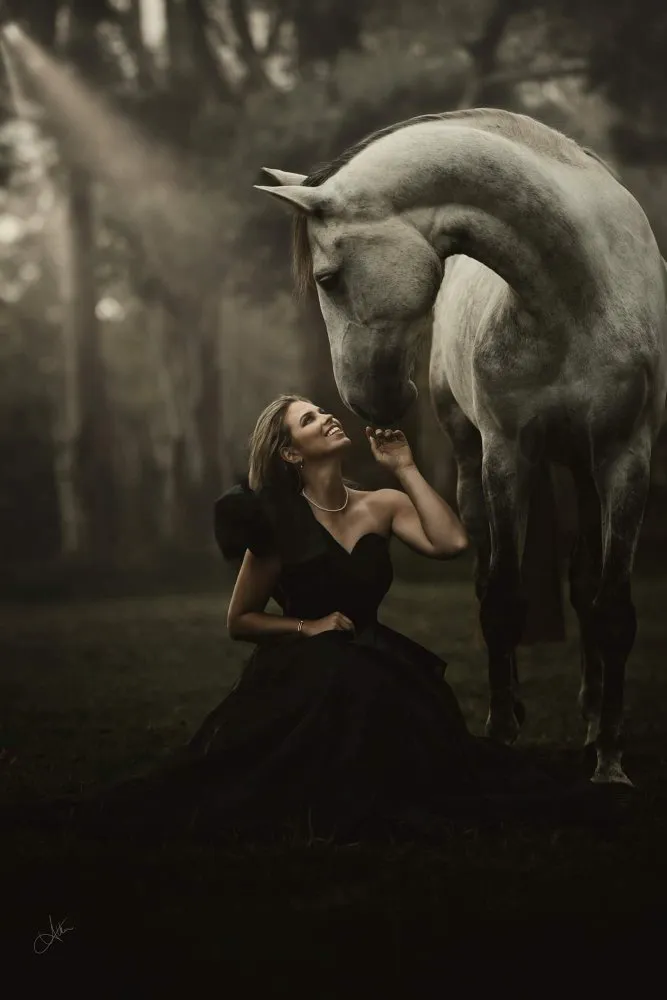
11. Capture Interactions: Place emphasis on the interactions between horses or between horses and their handlers. Candid moments, be it a nuzzle, playful behavior, or moments of connection, evoke emotions and strengthen the narrative within your images.
12. Symmetry and Patterns: Seek out symmetrical elements within the environment or create patterns with repetitive elements, such as a row of horses or jumps. These elements add visual interest, harmony, and a sense of order to your compositions.
13. Silhouettes: During sunrise or sunset, explore the captivating effect of capturing the horse as a silhouette against a colorful sky. This technique creates a dramatic and artistic impact, highlighting the horse's shape and outline within a visually striking backdrop.
14. Emotional Connection: Strive to capture the emotional bond between the horse and its rider or handler. Focus on expressions, gestures, or moments of connection that convey the deep relationship and trust shared between them, allowing your images to resonate with viewers on a personal level.
Remember, as an equine photographer, these composition techniques serve as guidelines to fuel your creativity and elevate your artistry.
Feel free to adapt and experiment based on the specific shooting conditions, lighting, and the horse's behavior, as each session presents unique opportunities to capture remarkable moments.
Wishing you continued success and fulfillment in your equine photography journey. Keep up the incredible work, and may your images inspire and captivate audiences around the world!
Thank you for your continued support, and may your equine photography adventures bring you endless joy and remarkable artistic achievements!
HAPPY HORSING
Jessica x